5/5 - (14 votes)



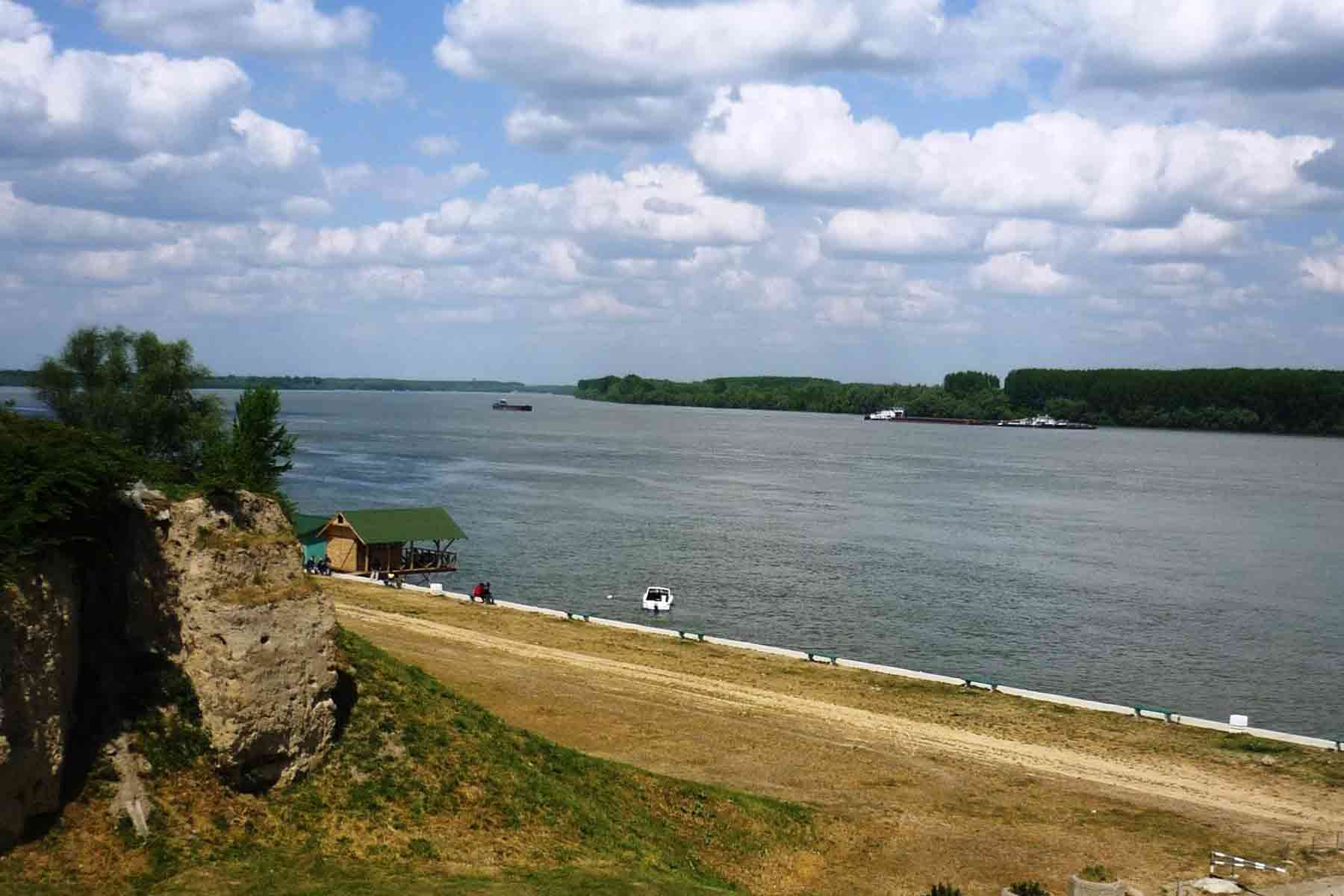

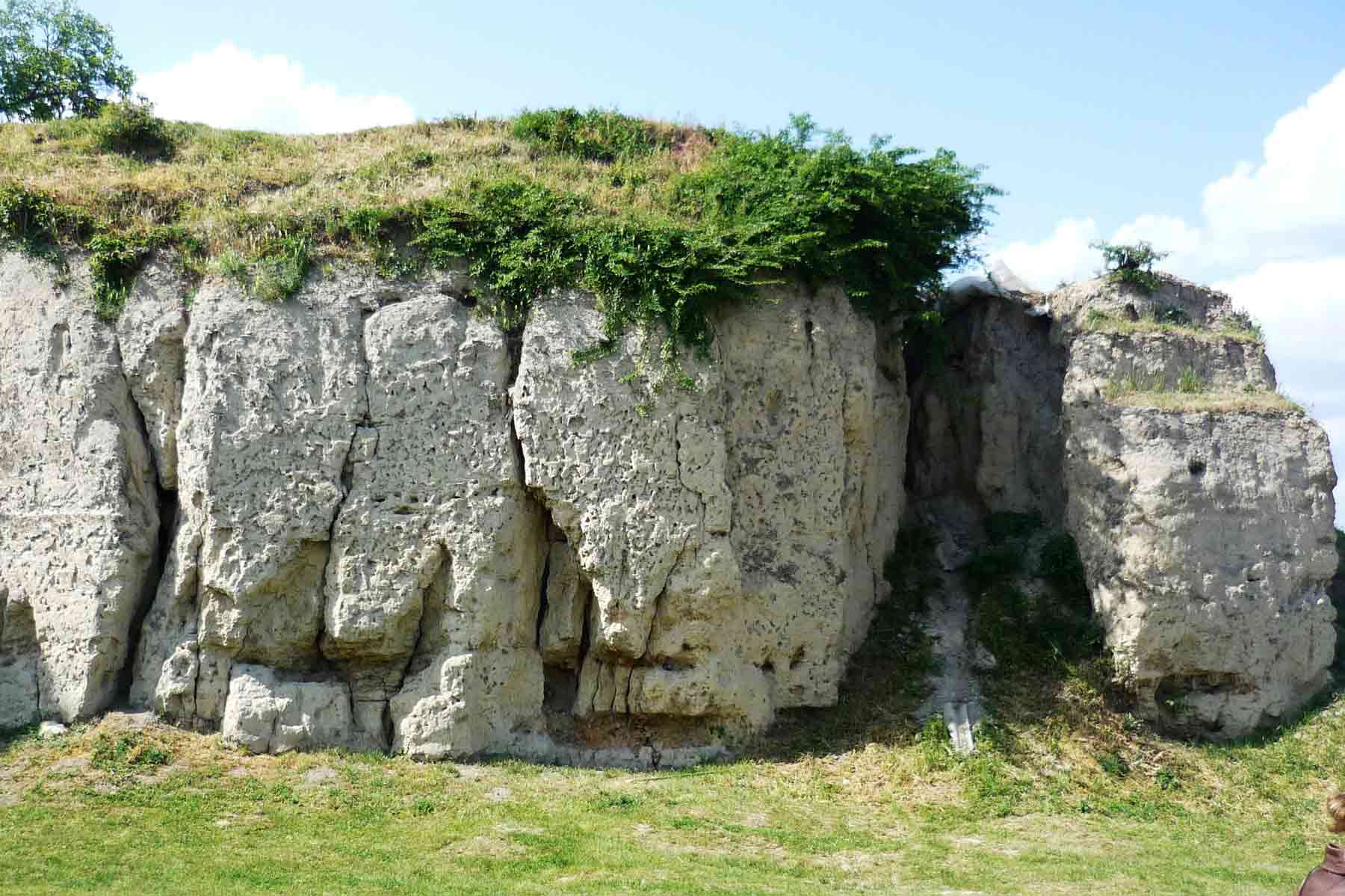

More than 7,000 years ago, the banks of the Danube River were home to one of the most advanced prehistoric civilizations in Europe — the Vinča culture. This culture left a deep mark on the development of urban life, art, and spirituality. Just 19 kilometers downstream from the confluence of the Sava and the Danube, located in the municipality of Grocka, lies one of the most important sites in Europe — the Vinča archaeological site. This remarkable place is not only important for the archaeology of Belgrade, but also for all lovers of history, culture, and unforgettable riverside trips near Belgrade.
Today, the Vinča archaeological site near Belgrade is considered one of the most significant prehistoric locations in Europe and a unique place to explore early urban life along the Danube.
👉Discover the peaceful side of Grocka 🌿
The Vinča archaeological site is one of those day trips from Belgrade that combines education, relaxation, and a unique view of the Danube. It is also interesting that the site can be viewed from the river itself — during a cruise. After exploring the site, a walk along the Danube promenade and a refreshment in one of the nearby restaurants or cafés will make this weekend escape from Belgrade truly complete.
Thanks to its location and historical significance, Vinča is often included among the best places to visit near Belgrade for travelers interested in culture and nature.
The site known as Belo Brdo preserves traces of the Vinča culture, which flourished around 4000 BC. At that time, it reached the peak of its development. Although more than six millennia have passed, what continues to impress is the level of urbanization achieved by its inhabitants. Archaeologist and curator of the Belgrade City Museum, Dragan Janković, who is responsible for the Vinča site, states that before Vinča, there was no settlement in Europe that could truly be called a city. Vinča is considered the first European city, and in terms of population and development, it even surpassed the earliest cities of Mesopotamia and Egypt.
The houses were carefully oriented, always facing the same direction, which indicates the existence of an early “urban plan” — an exceptional rarity for the Neolithic period. They were built from wood, wattle, and clay, plastered both inside and out, with multiple rooms and good insulation, showing an advanced understanding of housing. Their size ranged between 40 and 100 square meters. Instead of open hearths, the Vinča people used ovens with chimneys, making them pioneers of what could be considered “indoor heating”.
Their settlements had streets and passages, and likely even squares. Some archaeologists believe that Vinča had an early form of social organization — a structured community with division of labor and advanced crafts. These discoveries make Vinča a key site for understanding Neolithic architecture and urbanism in Europe.
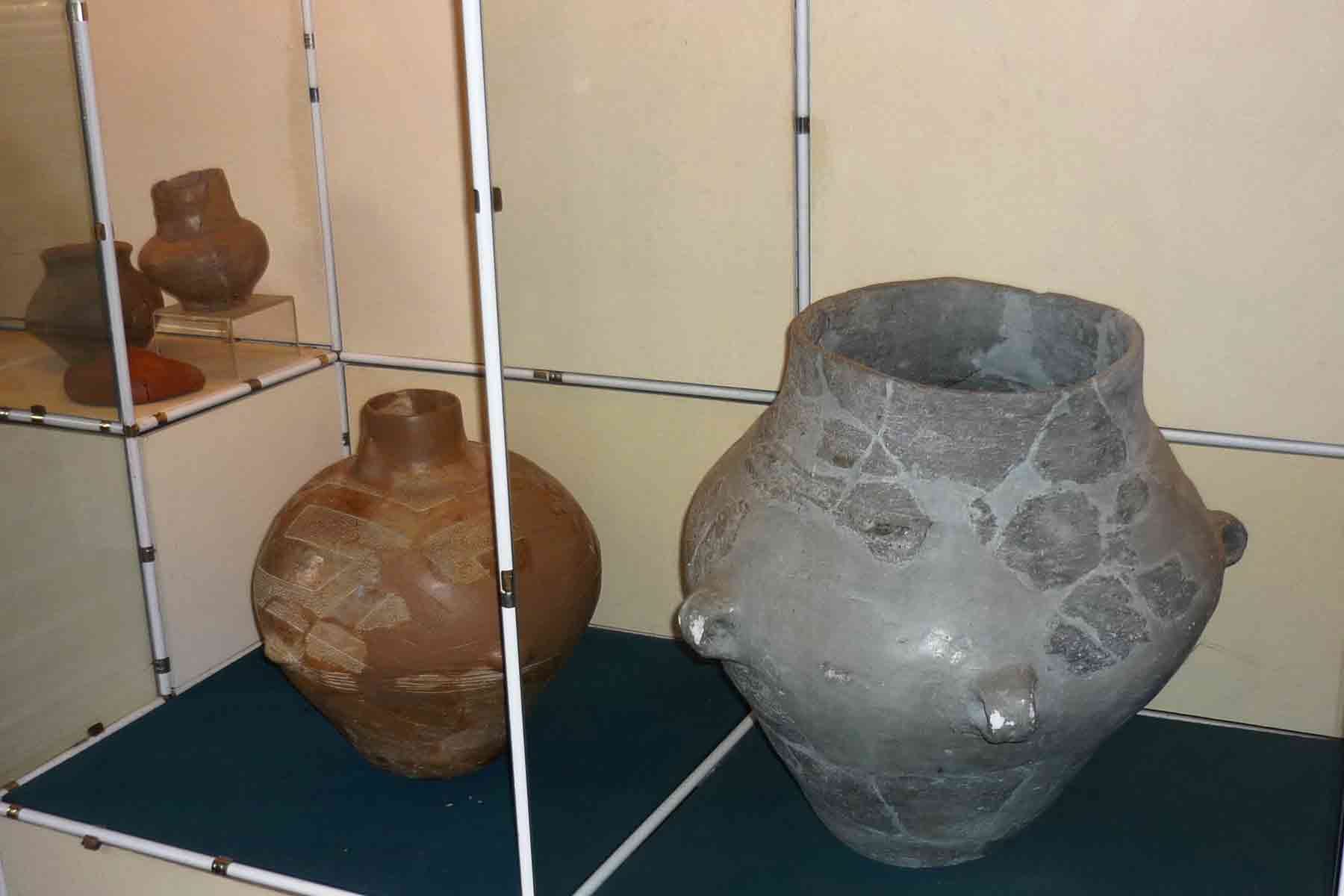
In layers dating back up to 6,000 years, archaeologists have uncovered a true wealth of artifacts: stone and bone tools, everyday pottery, ceramic ritual vessels, as well as luxury items such as necklaces made of shells, amber, and copper — all of which testify to trade connections with Central Europe and the Mediterranean. Particularly notable are the anthropomorphic and zoomorphic figurines, including the famous “Mother Goddess” statues and other symbolic representations of spiritual life. Many of them are decorated with mysterious symbols that some researchers consider an early form of writing — possibly even older than Sumerian cuneiform. These findings suggest that the people of the Vinča culture had a complex system of beliefs, rituals, and artistic expression.
Thanks to these discoveries, the archaeology of Belgrade has gained recognition on the global map of cultural heritage. It has also been enriched with one of its most valuable sites — a lasting testament to one of the most advanced prehistoric civilizations in Europe.
Today, Vinča stands as one of Europe’s most important prehistoric sites and a unique destination for history and archaeology enthusiasts.
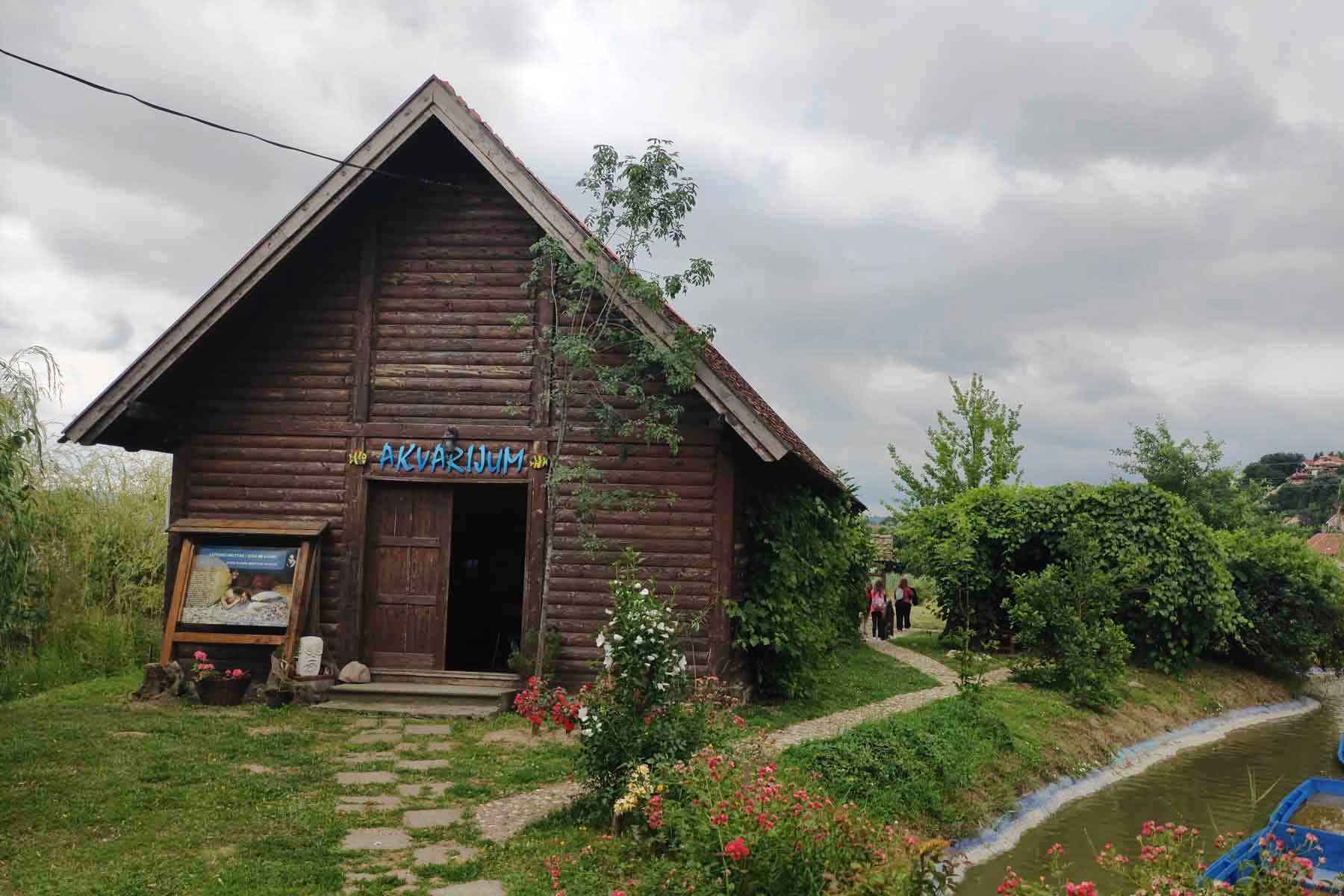
The exhibition is located at the Belo Brdo site, right on the riverbank, and although it is housed in a modest prefabricated structure of about 40 m², it offers an authentic insight into life more than 6,000 years ago. Original artifacts, models, and replicas of ceramic figures are on display, along with professional staff who are happy to share additional information.
The easiest way to reach the site is by city bus number 307, which runs from the center of Belgrade. The nearest stops are Vinča (school) and Vinčanska, from where you can walk down Nikola Pašić Street, which leads directly to the riverside promenade and the site itself.
Tickets are affordable, and brochures, books, and souvenirs such as Vinča culture figurines are available on-site. Parking is available nearby for those arriving by car.
Due to its proximity to the city, the Vinča archaeological site is one of the most accessible day trips from Belgrade for visitors interested in history and culture.
For a relaxing break by the river, visitors can stop by the Da Vinči café pizzeria, located right on the banks of the Danube, known for its pleasant atmosphere and beautiful view. For lovers of fish specialties, there is also the Dora-Nele restaurant, situated directly on the water, along the riverside.
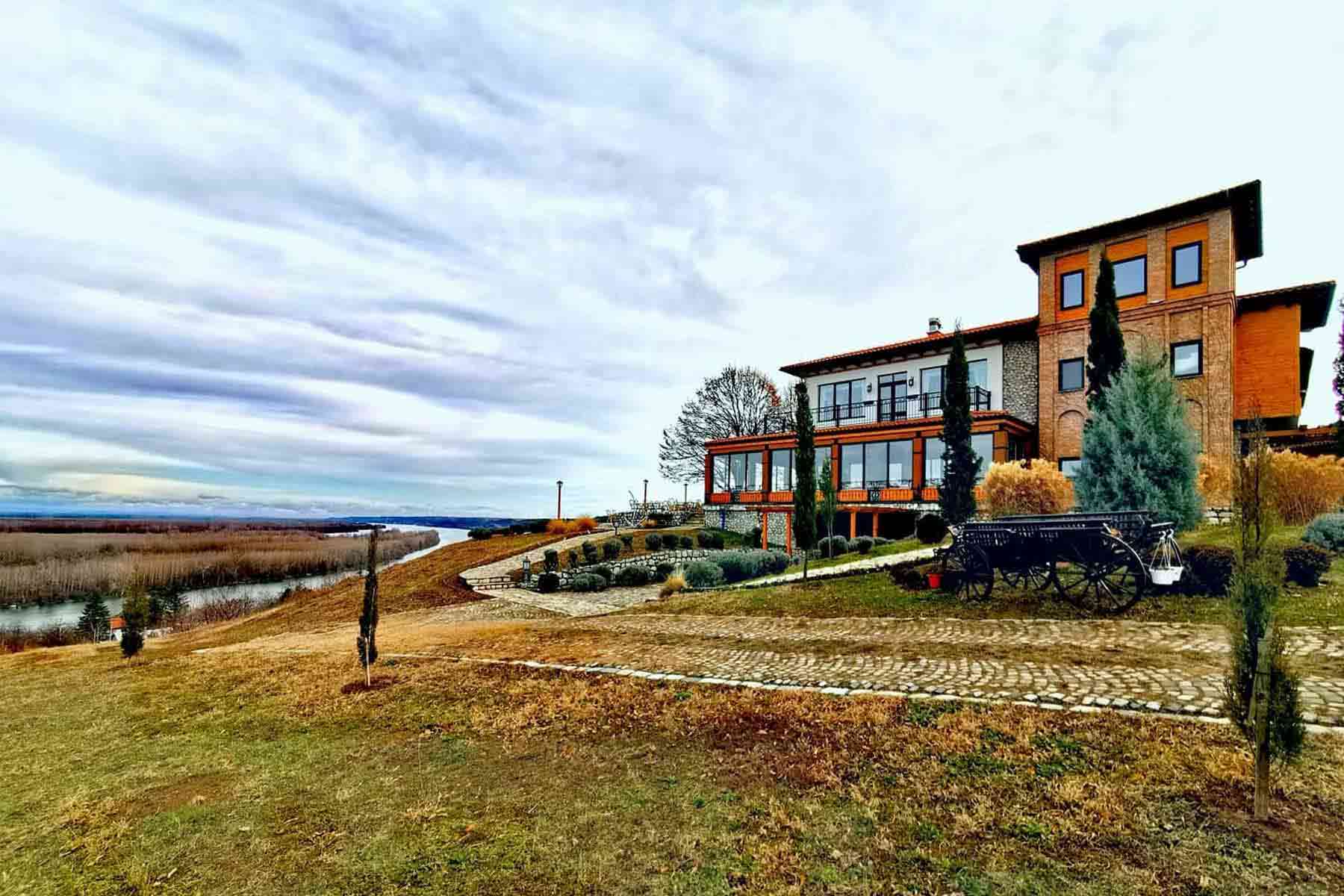
If you are planning a longer stay, nearby you will find the educational and recreational complex Mali Dunav, especially appealing for families with children — a perfect combination of recreation and learning about life by the river. We also recommend the Mirovnica ethno household, which offers a rustic setting and authentic cuisine. If you are planning multiple excursions and exploring the surrounding area, Hotel Radmilovac with its restaurant is an ideal starting point for weekend visits.
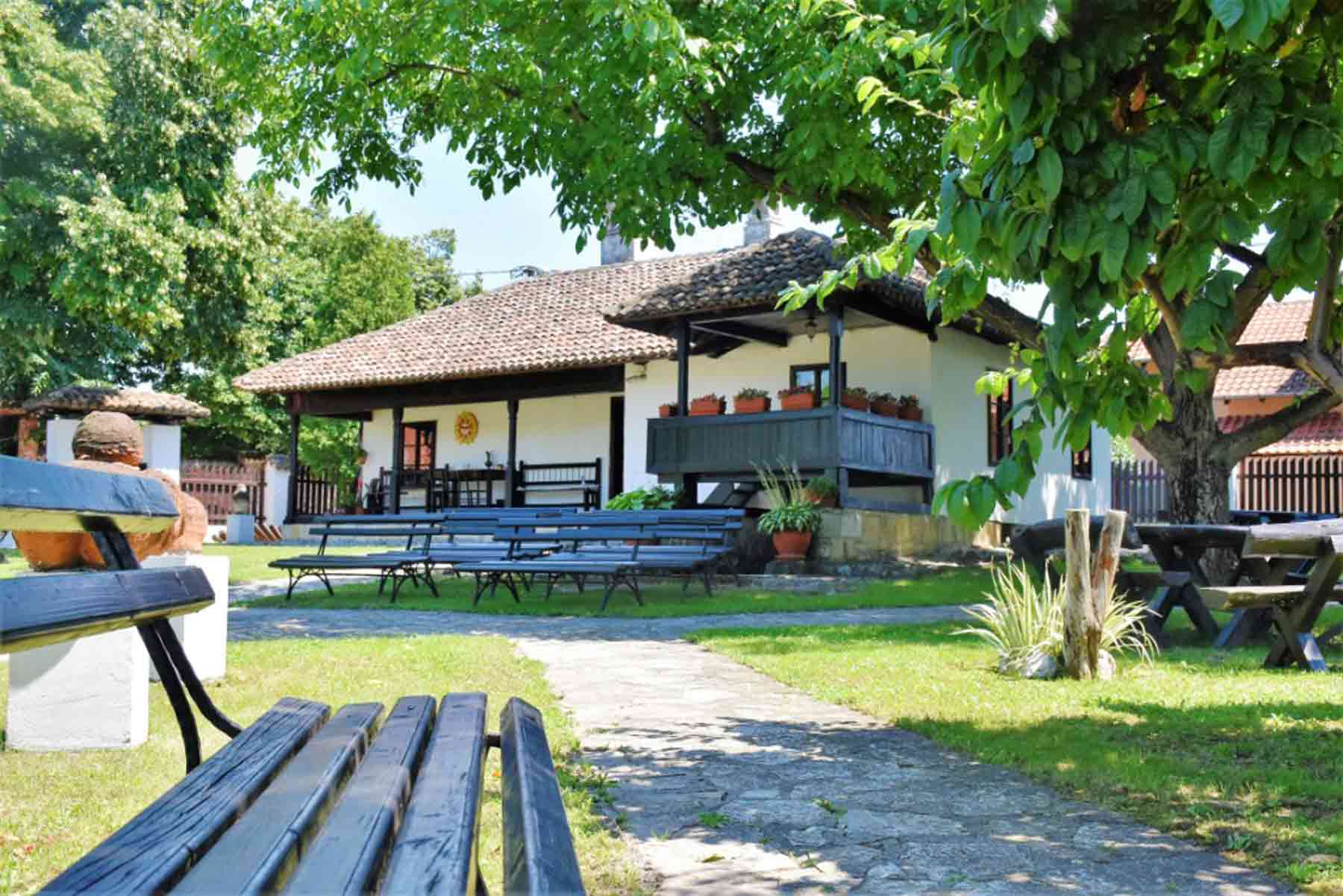
History lovers will find in Vinča the gateway to a broader journey through time. Be sure to explore Rančić House, Rajinovac Monastery, as well as the Late Roman Tomb in Brestovik, Grocka Old Town, and Slanci Monastery, all of which preserve the local identity and traditions of this region. Here, the past does not sleep — it breathes through every street, building, and river view.
Exploring these places together with the Vinča archaeological site offers a deeper understanding of the cultural heritage around Belgrade.
Although it may seem less visually striking at first glance than modern promenades or adrenaline parks, Vinča is one of those destinations that stays with you forever. Because of its importance and accessibility, this popular Belgrade excursion spot deserves a place on your weekend plans.
For many travelers, this prehistoric site remains one of the most unique places to visit in Serbia.