


5/5 - (1 vote)
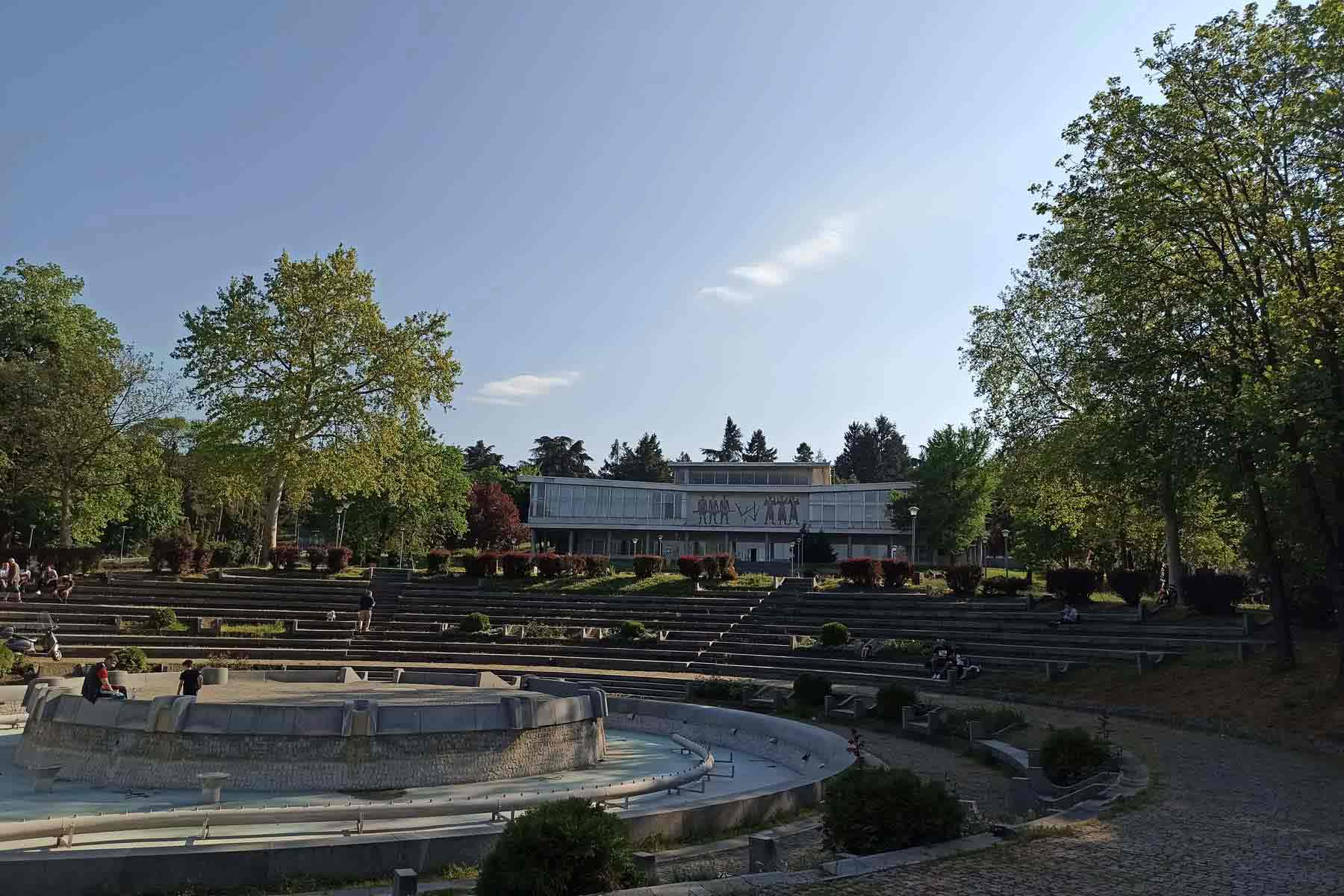
Museum of Yugoslavia – Discover Tito, History & Life in Former Yugoslavia

Museum of Yugoslavia – Tito’s Legacy and the Story of a Country
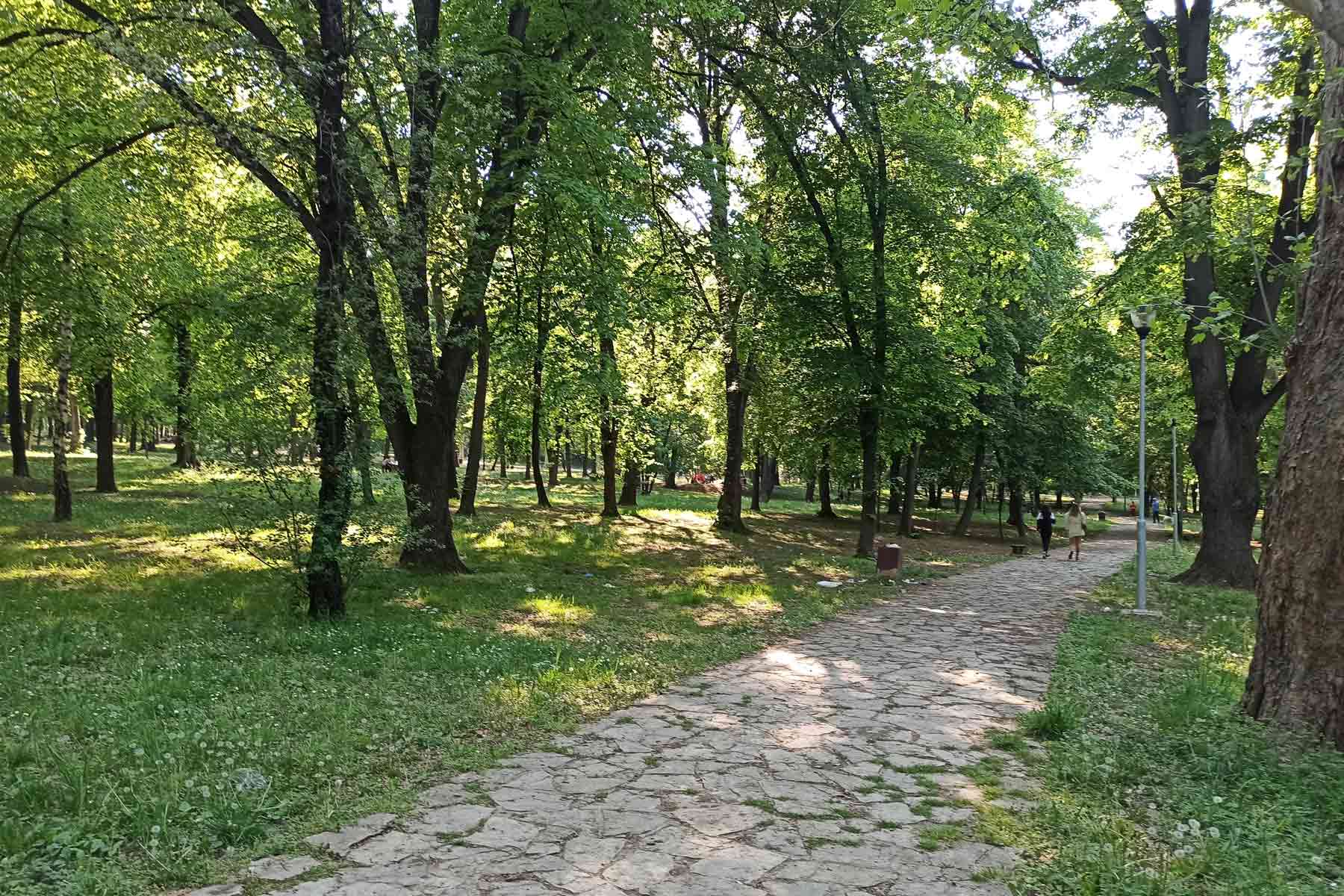
Many of us long to visit a part of the city where nature in Belgrade is generous, filled with peace and quiet. Even better, when such a place is surrounded by some of the most beautiful and well-maintained green areas in the city. We recommend exploring the area where the famous park forests Topčider and Košutnjak are located, along with the nearby Hyde Park. In addition to lush greenery and fresh air, this area is home to numerous restaurants, wine bars, and cafés. You’ll also find cultural and historical landmarks, old residences, and some of the most important museums in Belgrade.
When it comes to museums in Belgrade, this part of the city – Dedinje – is home to one of the most popular and visited institutions. Not only in Belgrade or Serbia, but across the former Yugoslavia and beyond. The Museum of Yugoslavia attracts hundreds of thousands of visitors every year, surpassing many museums in the region and becoming a key cultural attraction in Belgrade tourism.
The history of the museum dates back to 1980, when Marshal and President of the Socialist Federal Republic of Yugoslavia, Josip Broz Tito, passed away. After his grand funeral, attended by numerous world leaders and delegations, a state decision was made to preserve and continue his legacy. To present his life and work in the most dignified way, the Memorial Center “Josip Broz Tito” was established. It included the House of Flowers, the “25 May” Museum, the Residence, the Billiard Room, the Hunting Lodge, the Old Museum, the Memorial Collection (Villa “Mir”), as well as the nearby “4th of July” Museum.
The Memorial Center operated until 1996, when it was reorganized. A new exhibition was introduced, officially becoming part of the Museum of Yugoslav History. The following year, in 1997, Slobodan Milošević, then President of the Federal Republic of Yugoslavia, chose Tito’s former residence as his official residence. At that time, the complex was physically divided by a wall, separating the Residence, Villa “Mir,” the Billiard Room, and the Hunting Lodge from the Old Museum, the House of Flowers, and the “25 May” Museum.
By decision in 1996, the Museum of Yugoslav History was established, combining the Memorial Center “Josip Broz Tito” and the Museum of Revolution. In 2017, it was officially renamed the Museum of Yugoslavia. Today, this institution focuses on collecting, researching, and presenting objects related to the history of Yugoslavia in the 20th century, with a special emphasis on the life and legacy of Josip Broz Tito. The Museum of Yugoslavia complex today includes:
-
House of Flowers, which during Tito’s lifetime served as his winter garden. After his death, it was transformed into his final resting place, where both Josip Broz Tito and his wife Jovanka are buried. Today, it consists of a memorial room and an exhibition space, with a permanent display that attracts visitors from around the world.
-
The “25 May” Museum, which forms the core of today’s museum complex, was opened in 1962 as a gift from the City of Belgrade to the President for his seventieth birthday. Its collection is centered around the famous Youth Relay batons, models, and a large number of symbolic gifts and objects from across Yugoslavia.
-
The Old Museum, built in 1965, was designed to store and display the many gifts that Josip Broz Tito received during his lifetime. The permanent exhibition is divided into two parts: items from across Yugoslavia and gifts from foreign delegations and world leaders. One of the most fascinating exhibits is a piece of Moon rock, gifted to Tito by the crew of the Apollo 11 mission during their visit to Belgrade in 1969.
Between these three main sections of the Museum of Yugoslavia lies the Sculpture Park, featuring around 20 sculptures by prominent Yugoslav artists, including a statue of Josip Broz Tito himself. The nearby K25 space, once a ticket office, has been transformed into a modern multifunctional area that now includes a ticket desk, café with a garden, souvenir shop, and visitor facilities.
The museum regularly organizes guided tours through its exhibitions, along with special programs for schools, students, journalists, and families. Its presentations include both permanent displays and engaging exhibitions in Belgrade, such as “Alan Ford Runs a Victory Lap,” dedicated to the iconic comic phenomenon that was extremely popular in former Yugoslavia and remains beloved today. A proactive approach has also led to events like “Summer at the Museum,” held around May 25, featuring cultural programs and concerts in front of the museum.
Although Yugoslavia no longer exists, there is still a strong interest in institutions like this, which preserve its history through an extensive collection of artifacts. Even decades after the country’s dissolution, the museum continues to attract significant attention from both locals and international visitors. For more information about exhibitions, opening hours, ticket prices, and current programs, visit the official website.
What to See Near the Museum of Yugoslavia
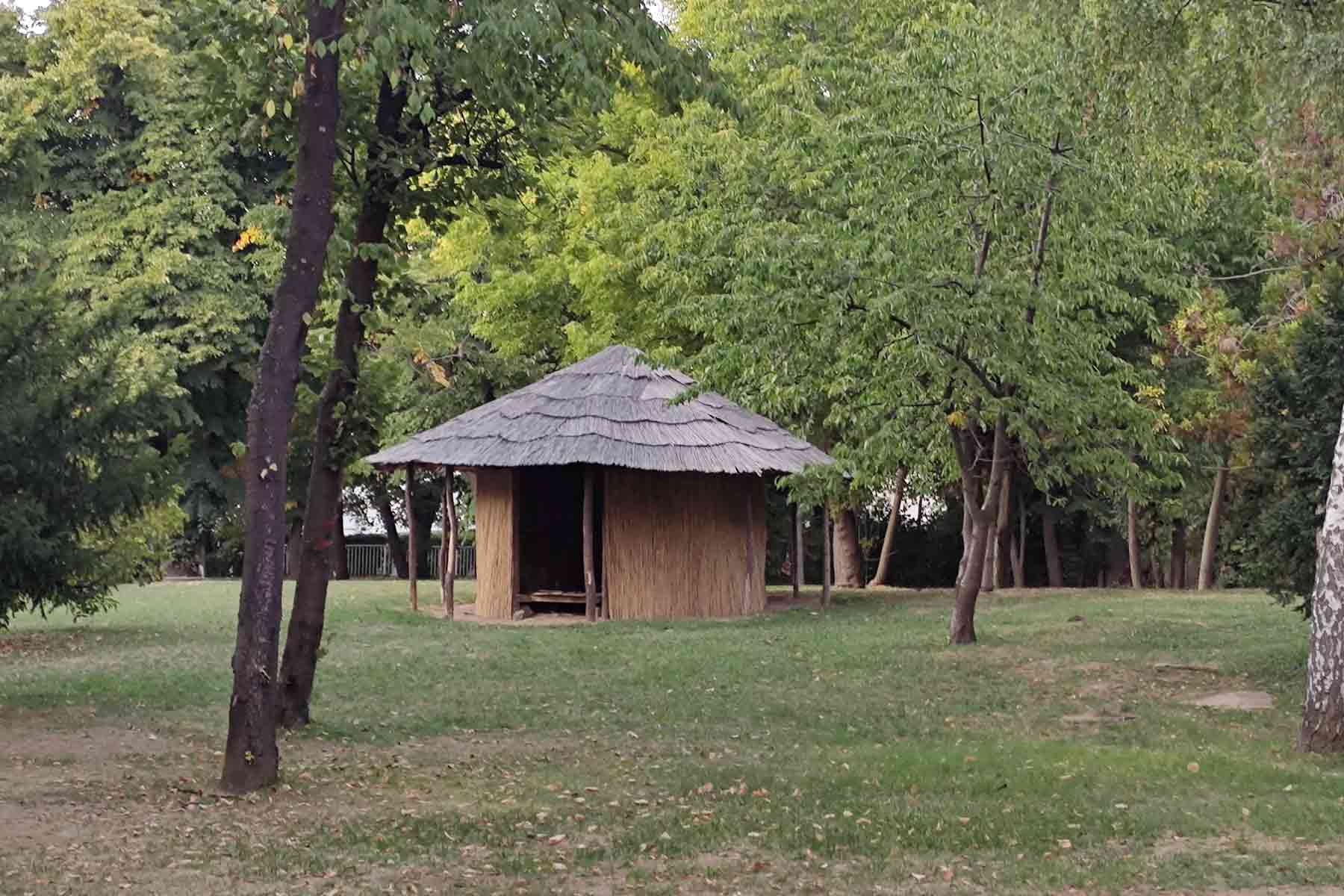
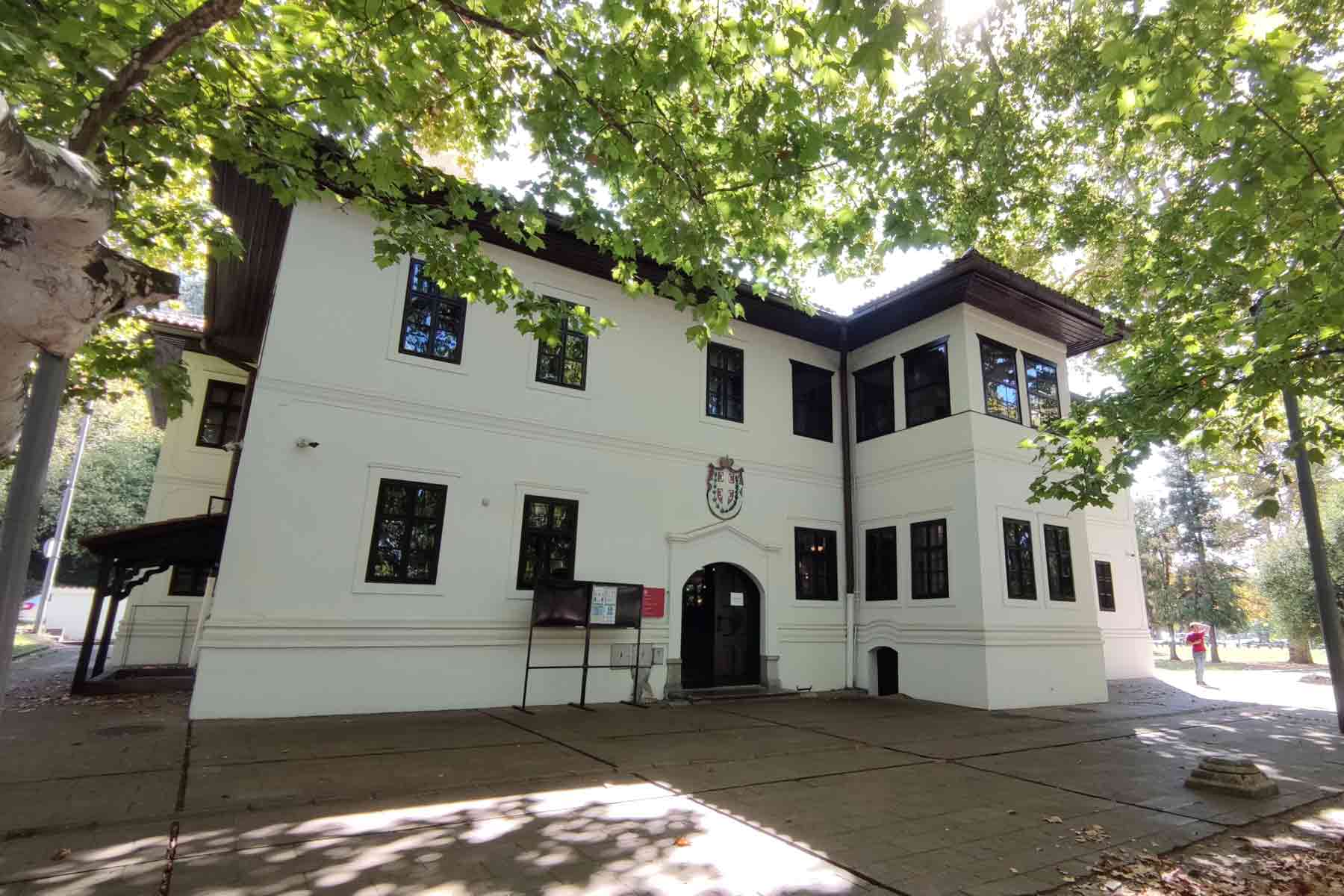
Prince Miloš’s Residence (Konak kneza Miloša)
Residence was built between 1831 and 1834 and represents an invaluable cultural heritage site of Belgrade and Serbia. After its completion, it became the official residence of Prince Miloš, replacing his previous residence in what is today the Residence of Princess Ljubica.