


5/5 - (10 votes)
House of Flowers Belgrade

House of Flowers Belgrade – Tito’s Memorial and Museum of Yugoslavia
The history of Belgrade, Serbia, and the former Yugoslavia is clearly fascinating not only to people from these regions but also to visitors from around the world. Large numbers of tourists regularly explore cultural heritage, historic buildings, monuments, museums, royal complexes, and even the resting places of important historical figures. All of this further strengthens tourism in Serbia and highlights some of the most visited places in Belgrade.
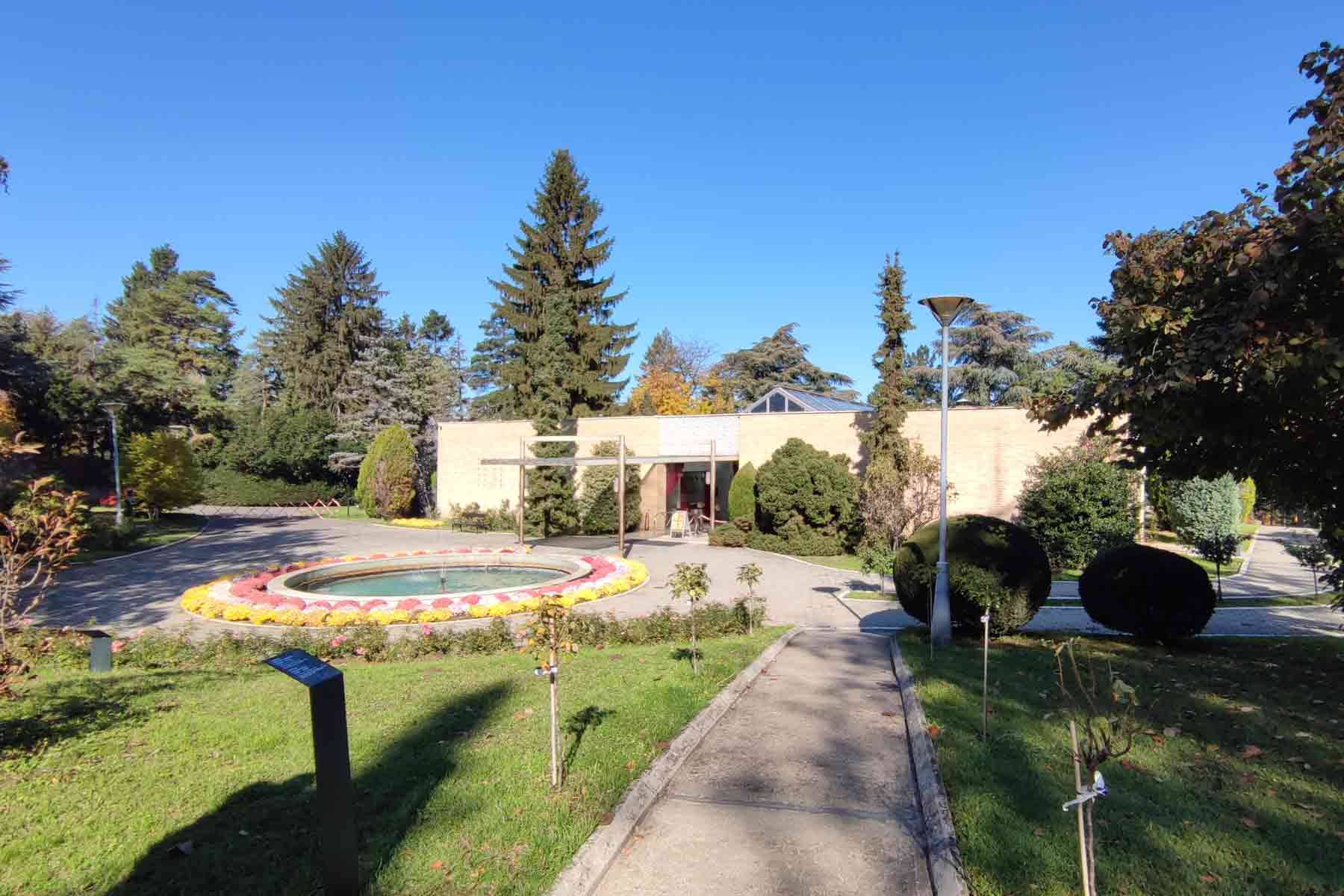
One of the places that has evoked nostalgia for decades among many people from the former Yugoslavia is the House of Flowers, located in the Dedinje area. It represents one of the three parts of the Museum of Yugoslavia. Situated in a beautiful location surrounded by greenery and forest landscapes of Belgrade, it is also well connected to the city center, making it easy to reach. The House of Flowers is the site where the former lifelong president of the Socialist Federal Republic of Yugoslavia, Marshal Josip Broz Tito, is buried, along with his wife Jovanka. Today, it is considered one of the most important historical attractions in Belgrade.
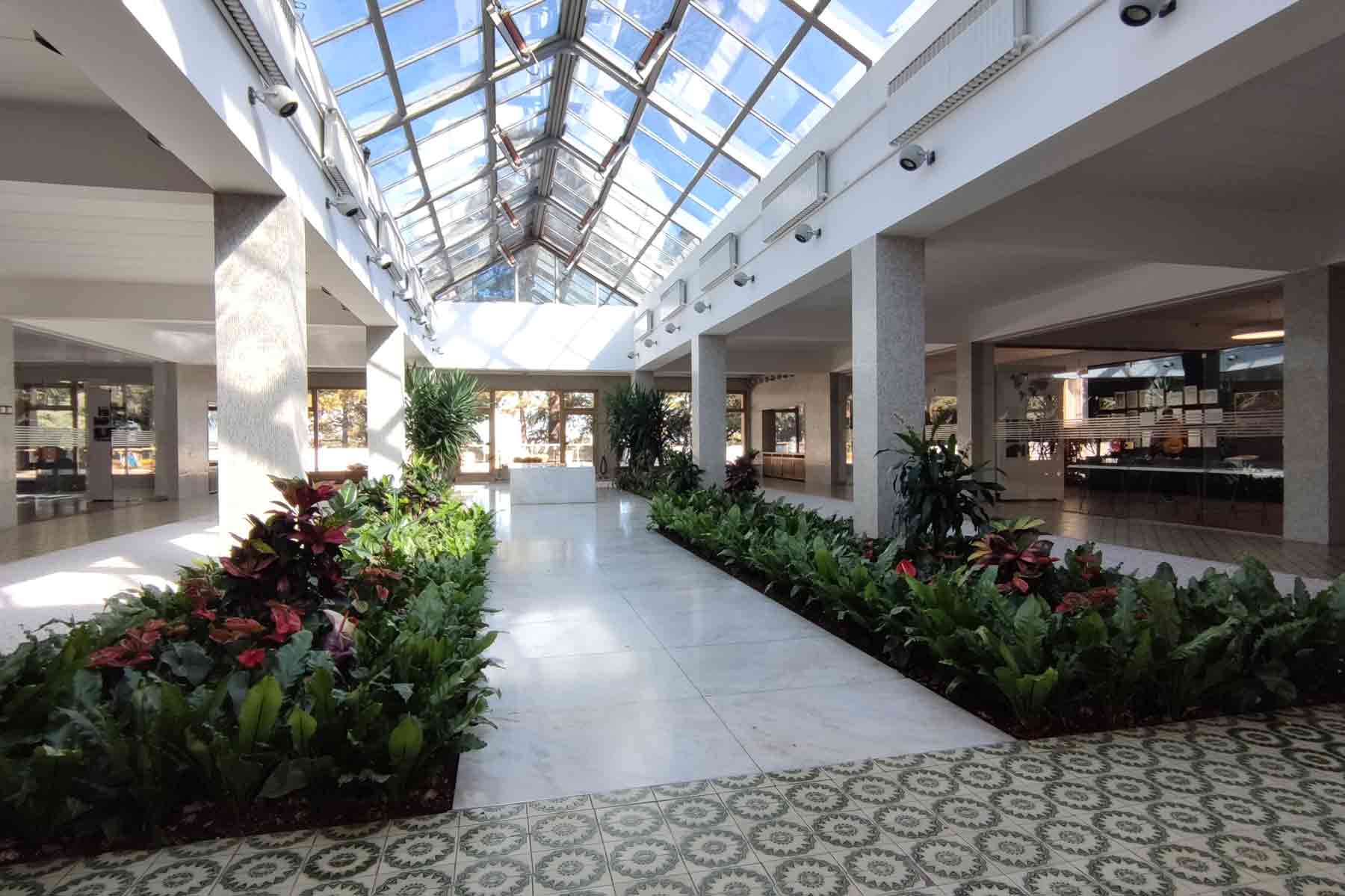
During Tito’s lifetime, the building was constructed in 1975 as a winter garden and was originally called “The Flower Garden.” The exterior of the House of Flowers was built with yellow facade bricks, while the interior was designed using white marble from Aranđelovac. In the central part of the building there was once a fountain, surrounded by Tito’s working and sleeping rooms, a salon, a library, and a guest room. Since the residence was located near Tito’s official residence, it is known that he spent a great deal of time here, especially after 1977 when he separated from his wife Jovanka Broz. In 1980, after serious health complications, Tito expressed his wish to be buried here in the winter garden.
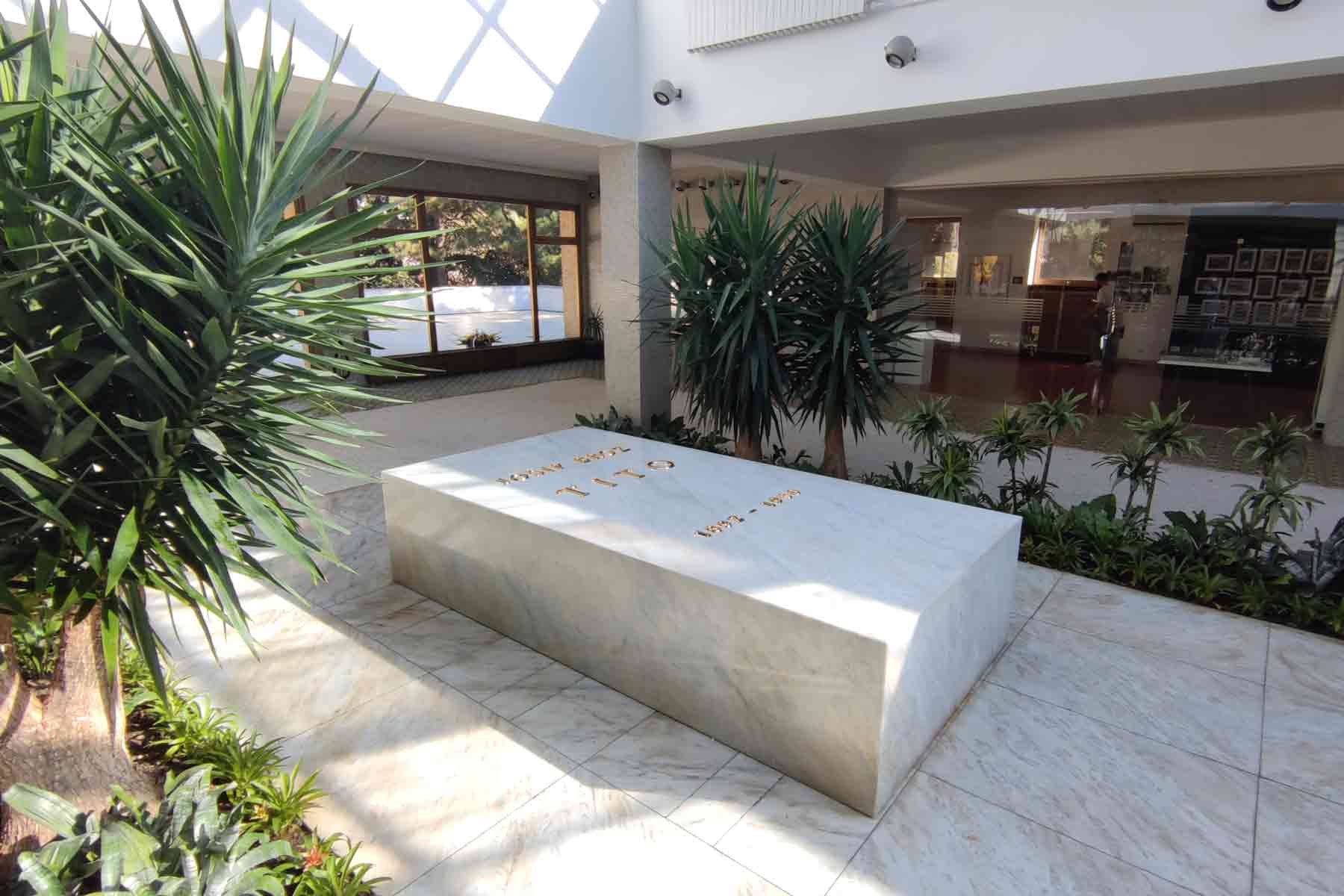
He passed away on May 4, 1980, shortly after being hospitalized. The winter garden was reconstructed in just four days, the fountain was removed, and a tomb was built in its place. Due to Tito’s global reputation, especially within the Non-Aligned Movement, his funeral was attended by 211 delegations from 128 countries. Because of the large number of officials and guests, a platform was built outside, as the interior space was limited, allowing only a small number of high-ranking state and military officials to attend the ceremony inside. Since the original tombstone was extremely heavy, a lighter replica was initially used during the official ceremony. Afterward, the coffin was covered in copper, the roof of the building was temporarily removed with a crane, and the original massive marble tombstone weighing nine tons, engraved with “Josip Broz Tito (1892–1980),” was placed in position.
The leadership of Yugoslavia decided to continue the political path shaped by Tito and adopted the ideology “After Tito – Tito.” Considering his immense popularity, it was considered inappropriate to refer to the site as a grave, so the name “House of Flowers” was officially adopted. This name was also inspired by the greenery and flowers that always surrounded the site. After the funeral, the House of Flowers was opened to the public and has since been visited by more than 20 million people. As part of the Museum of Yugoslavia, it became one of the most visited museums in Serbia and one of the key places to visit in Belgrade for those interested in history. After her death in 2013, Tito’s wife Jovanka Broz (1924–2013) was also buried here.
Today, the permanent exhibition at the House of Flowers consists of a memorial room and exhibition areas located on both sides of Tito’s tomb. Visitors can sign the book of condolences in the memorial room, while the exhibition space displays the famous “relay batons” once carried by the youth of Yugoslavia in celebration of Tito’s birthday on May 25, known as Youth Day. The exhibition also includes photographs of relay participants, written messages Tito received, his uniforms, and various personal items. Visiting the House of Flowers offers a unique insight into Yugoslav history and represents a must-see cultural experience in Belgrade.