5/5 - (10 votes)




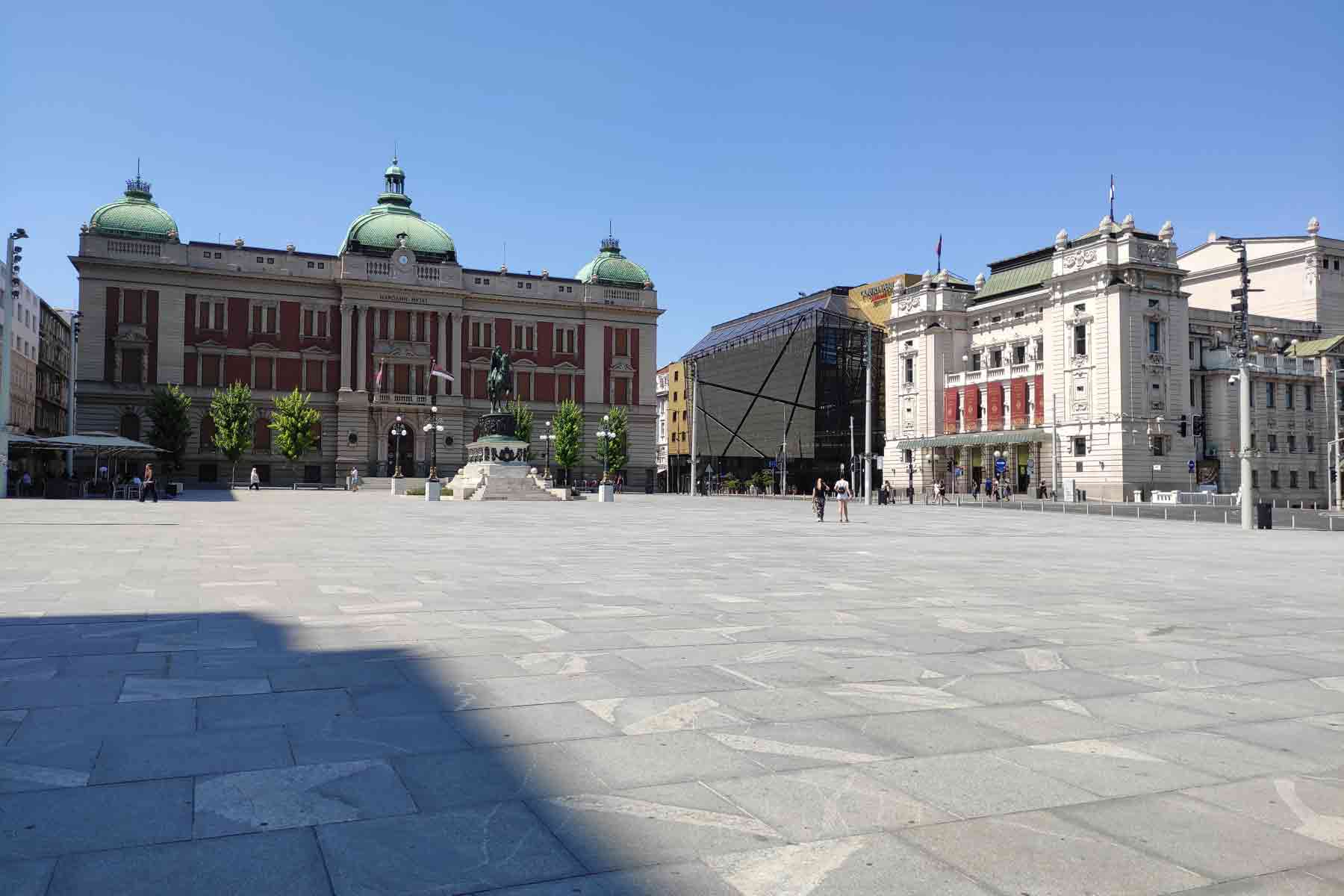
Exploring and getting to know any city usually begins at its main square and its most important landmarks. The same applies to Belgrade, as one of its key focal points is also the central city square. This is Republic Square, which gained its prominent role and importance for tourism in Belgrade in the late 19th and throughout the 20th century. It was during this time that the area began to take shape into what is today known as the main meeting point for locals, the starting point of many walking tours in Belgrade, a place filled with well-known cafés where people enjoy their morning coffee, and where the city truly comes to life.
In the Middle Ages, the area of today’s Republic Square was located on the outskirts of the city, and this is where the famous Stambol Gate once stood. Through it passed the road leading to Constantinople (Istanbul), while the gate and the city behind it were surrounded by defensive trenches. Although the Stambol Gate was grand and considered one of the most beautiful gates of its time, it was not remembered fondly among the local population. In front of the gate, the Ottomans carried out brutal punishments, including impalement.
During the First Serbian Uprising in 1806, while liberating Belgrade, the famous hero Vasa Čarapić was killed just in front of the Stambol Gate. He was born at the foot of Avala, where two monuments have been erected in his honor, and he was buried in the Rakovica Monastery. In memory of this event and the great Serbian hero, the street leading towards Studentski Square was named after him. At the very place where he died, below the square towards the Army House, a monument was also erected.
After the establishment of Serbian authority in Belgrade, and following the demolition of the Stambol Gate in 1866 and the construction of the National Theatre building in 1868, the area of Republic Square remained undeveloped for some time. After the monument to Prince Mihailo was erected in 1882, the entire area gradually began to urbanize. First, behind the monument, on the site of today’s National Museum, a long building was constructed. Here, by taking over a local tavern, the famous “Dardaneli” kafana was established. Initially frequented by actors from the National Theatre, it soon developed into a place that attracted the intellectual elite and became one of the most famous bohemian spots in the city. After some time, this building was demolished, and in 1903 the Directorate of Funds building was constructed on the site (today’s National Museum), one of the key cultural landmarks in Belgrade.
Other significant buildings that dominate Republic Square today were constructed in the following decades. The “Reuniona” Palace was built in 1930, while the Press Center building was constructed between 1958 and 1961. Before World War II, this area was occupied by low, ground-floor commercial shops, which were destroyed during the war. Today, this building houses the Belgrade Cultural Centre. A further transformation that influenced the central city square and its gradual conversion into part of a large pedestrian zone occurred in 1988, when Knez Mihailova Street was turned into a pedestrian street. Over time, the pedestrian zone expanded to include more surrounding streets, shaping what is now one of the main walking areas in the Belgrade city center. The current appearance of Republic Square was defined after the reconstruction completed in 2019.
All these changes did not affect the importance of Republic Square, which has remained a favorite meeting point for locals and visitors alike. The square frequently hosts major concerts, celebrations, as well as public gatherings and protests. In the surrounding streets, you will find antique shops, museums and art galleries in Belgrade, along with numerous retail stores and shopping centers, making this area one of the best places for shopping in Belgrade.
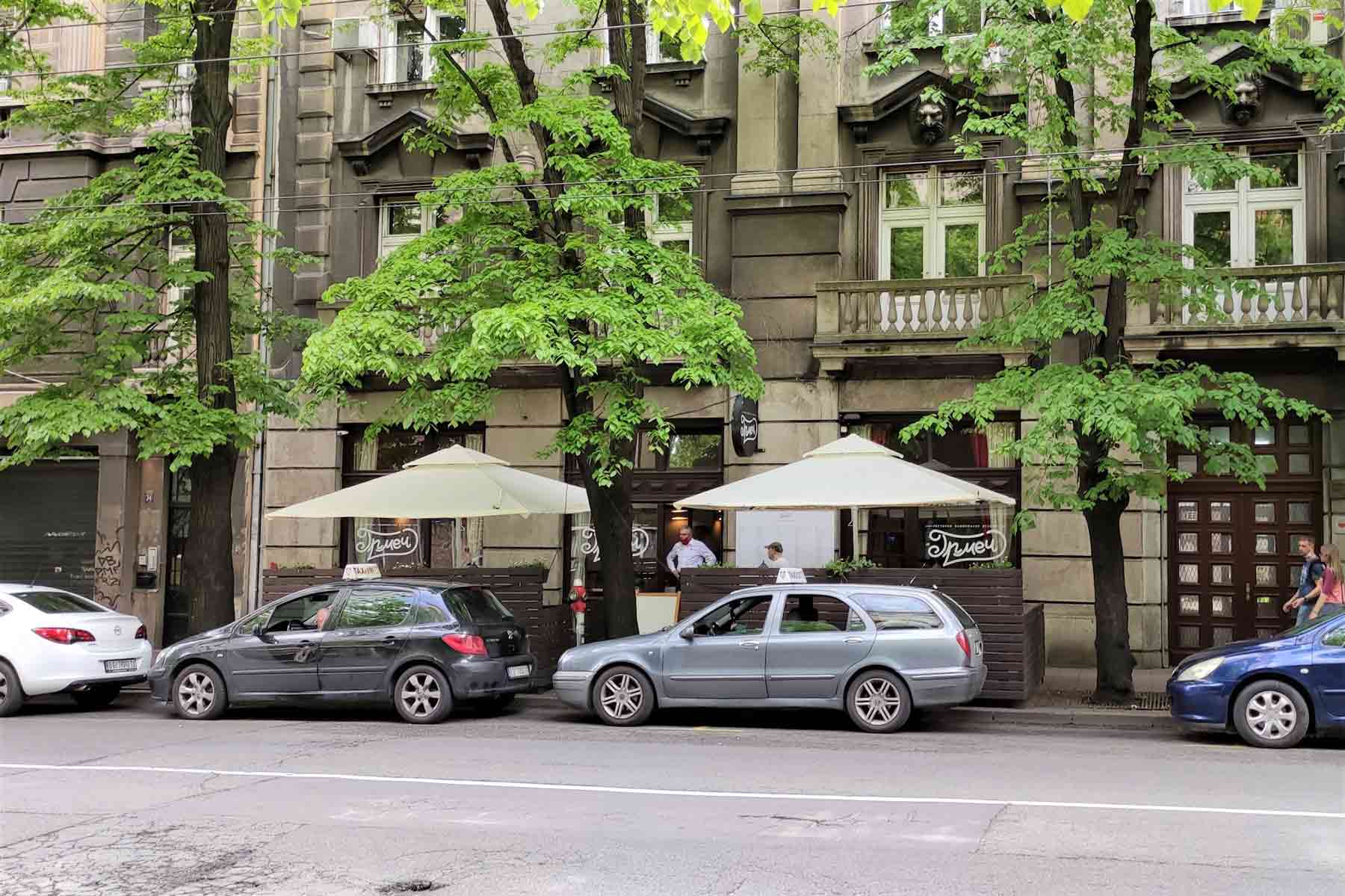
In late autumn and early winter, the square transforms into the “Open Heart Square.” During this time, numerous wooden stalls appear, offering sweets, mulled wine and traditional treats, creating a festive Christmas and New Year atmosphere both on the square and throughout the city. At the same time, a large ice rink is installed on the main plateau, bringing a lively and cheerful atmosphere that lasts from daytime until late at night. Nearby are other important squares in Belgrade, such as Nikola Pašić Square and Terazije. The area is also home to famous kafanas and some of the best restaurants in Belgrade, which makes Republic Square—despite its turbulent history—a true magnet for visitors and one of the top attractions in Belgrade.