


5/5 - (10 votes)
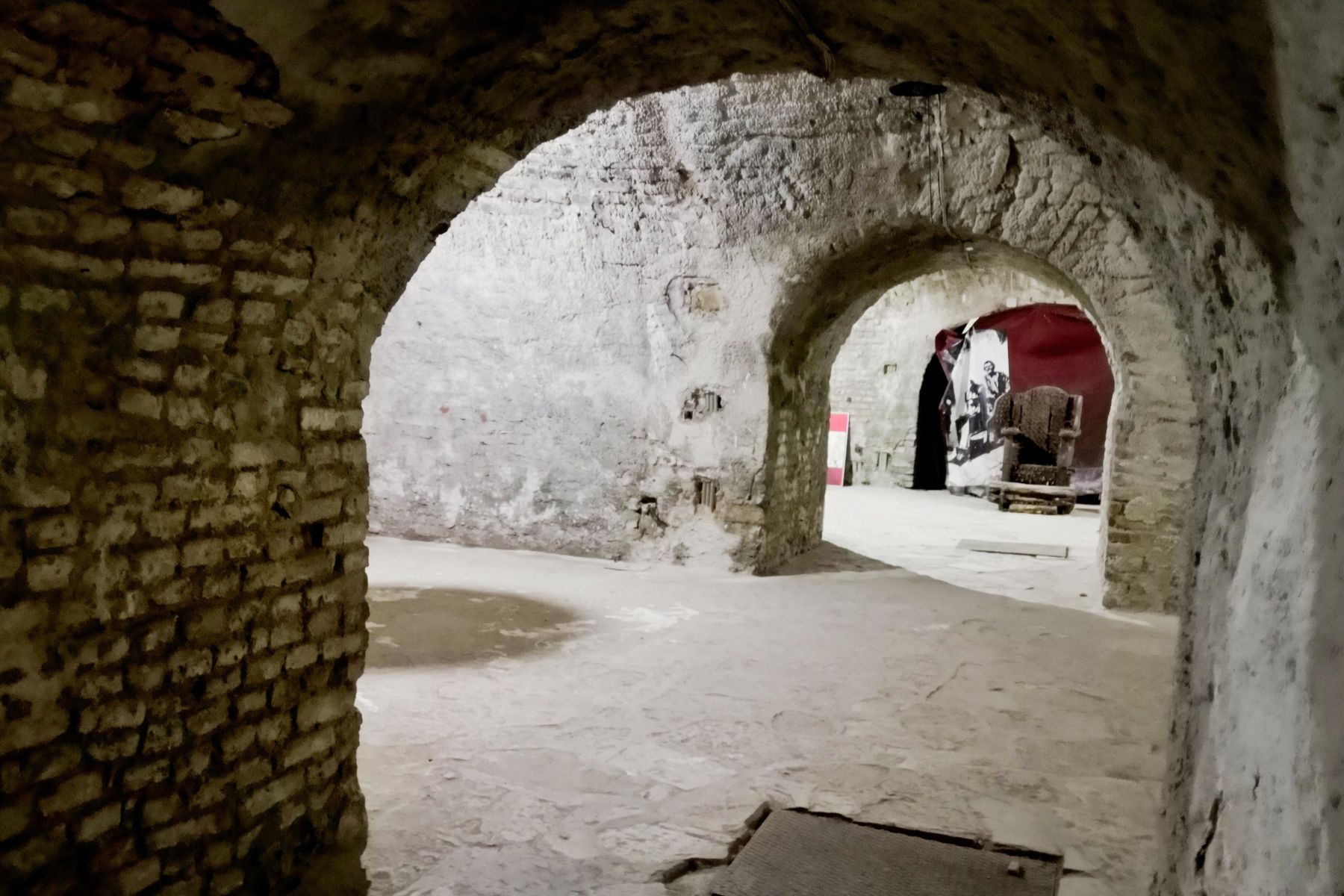
Exhibition of Torture Devices in Belgrade: Medieval Punishments in the Kalemegdan Casemates
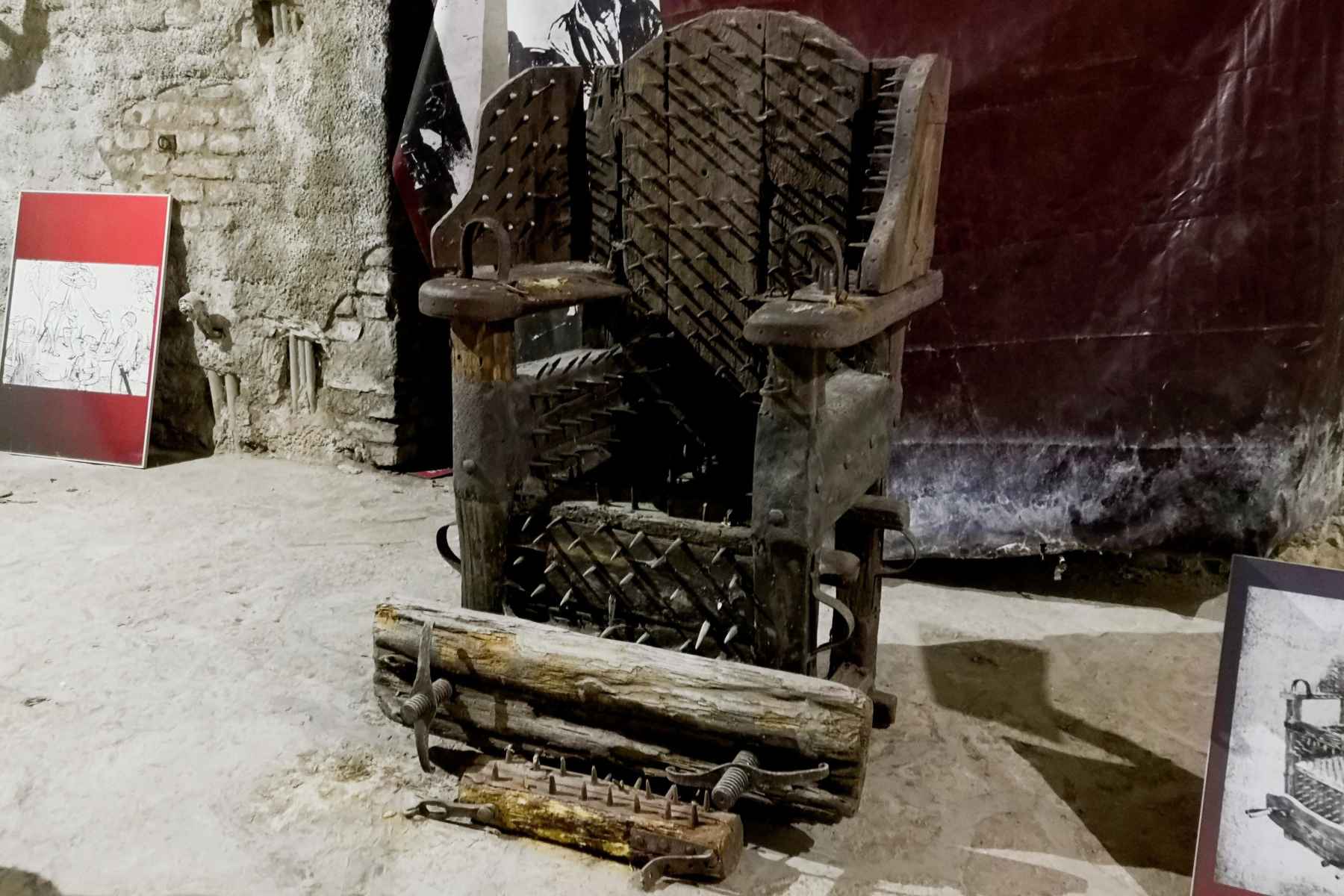
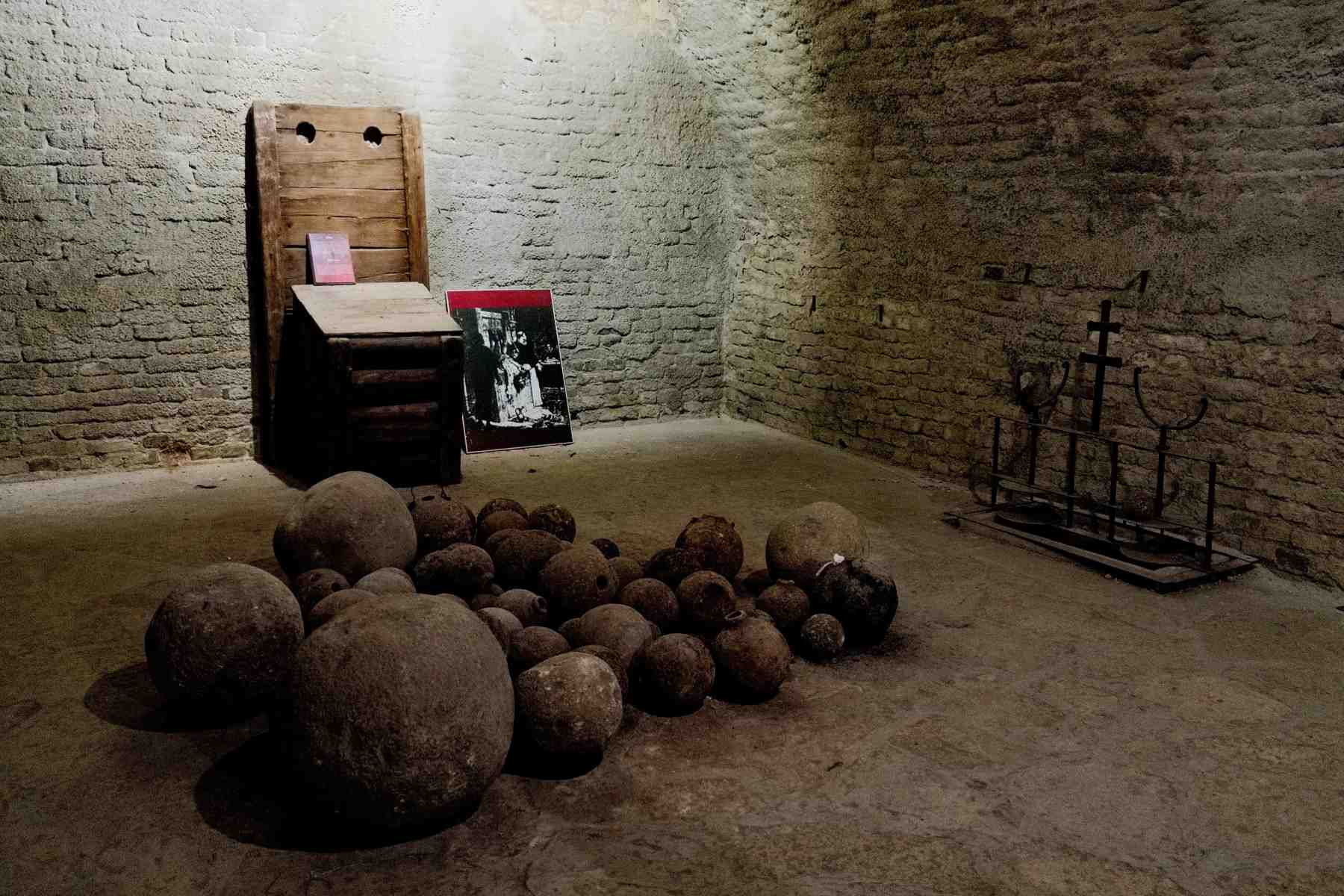
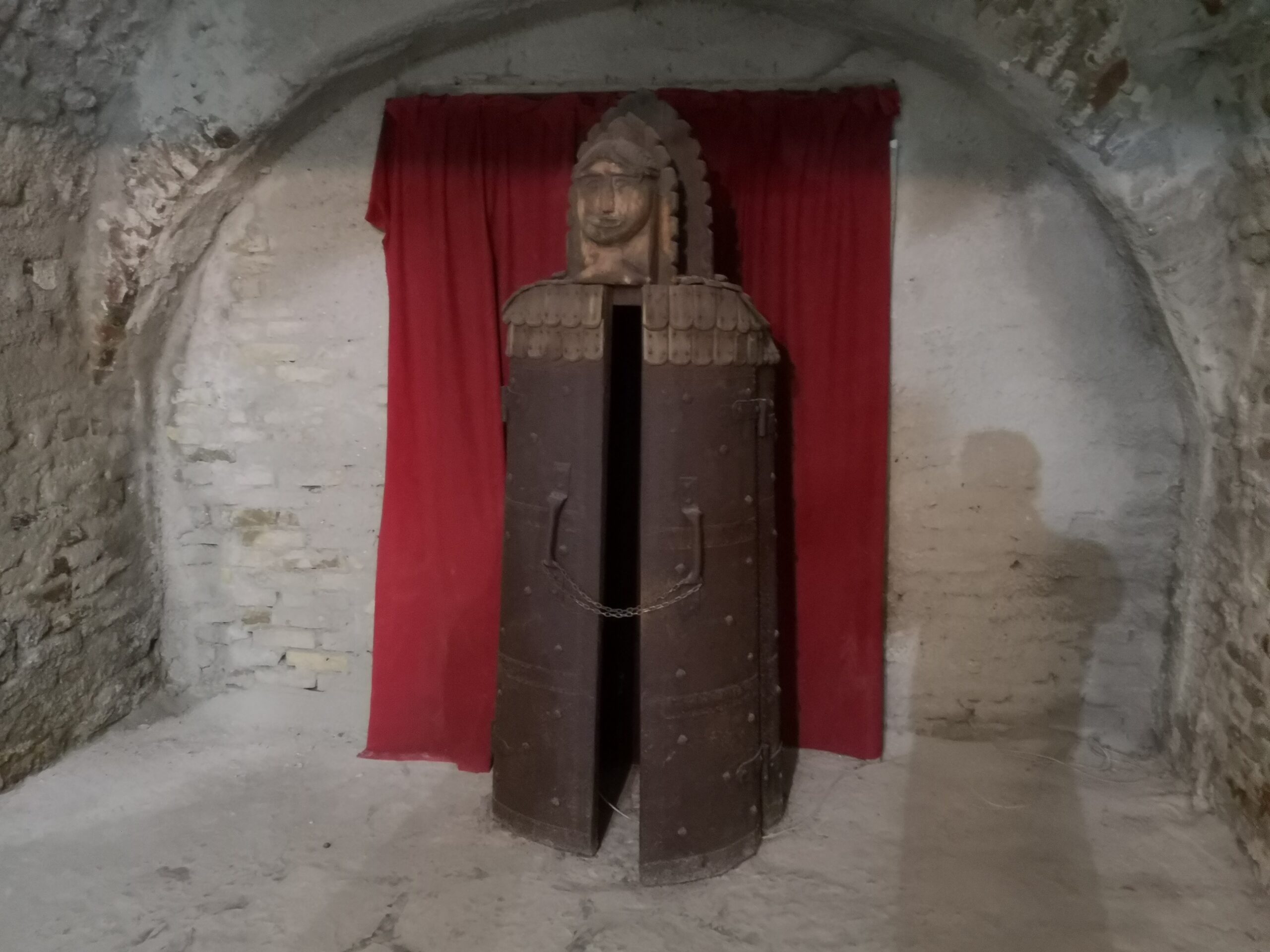
Exhibition of Medieval Torture Instruments in Belgrade: A Fortress Telling Tales of Darkness
Deep beneath the Belgrade Fortress, where the damp walls of the casemates remember centuries past, lies an exhibition of torture instruments that will not leave you indifferent. The Exhibition of Medieval Torture Instruments in Belgrade is not just a tourist attraction – it is an encounter with history’s darkest pages, revealed through the chilling whisper of metal devices and stories of human suffering.
🎫 Ticket prices: Around 300 RSD for adults, discounts available for students and groups (check for updates)
🕐 Opening hours: Daily from 11 AM to 7 PM (seasonal changes may apply)
👉 ℹ️ Current ticket prices and opening hours 👈
📍 Location: Casemates below the Military Museum, Kalemegdan (see map below)
🚗 Parking: Closest options – Vidin Gate parking and Kalemegdan garage
⏳ Visit duration: 30–45 minutes
⚠️ Note: The exhibition is not recommended for children under 12 years old
🗝️ First-hand experience: what the torture devices exhibition looks like
Entering the torture devices exhibition at Kalemegdan begins with a gradual descent into the casemates – dark, cold corridors beneath the fortress that were once used as prisons. Right from the entrance, behind heavy iron bars, visitors are immersed in the atmosphere of medieval torture chambers. On the right side, smaller exhibits are displayed, including the Iron Brank, Flute of Shame, Heretic’s Fork and whip, all serving as an introduction to the exhibition’s dark theme.
On the left side stands the Falbret, while directly ahead visitors encounter one of the most recognizable symbols of medieval torture – the Iron Maiden.
🩸 Iron Maiden
At first glance it resembles a sarcophagus with a human face, but inside it is covered with sharp metal spikes. The Iron Maiden became a symbol of medieval brutality. Once closed, the spikes would not immediately kill the victim, but instead leave them to slowly die in complete darkness. Even seeing it inside the dimly lit fortress casemates sends chills down the spine.
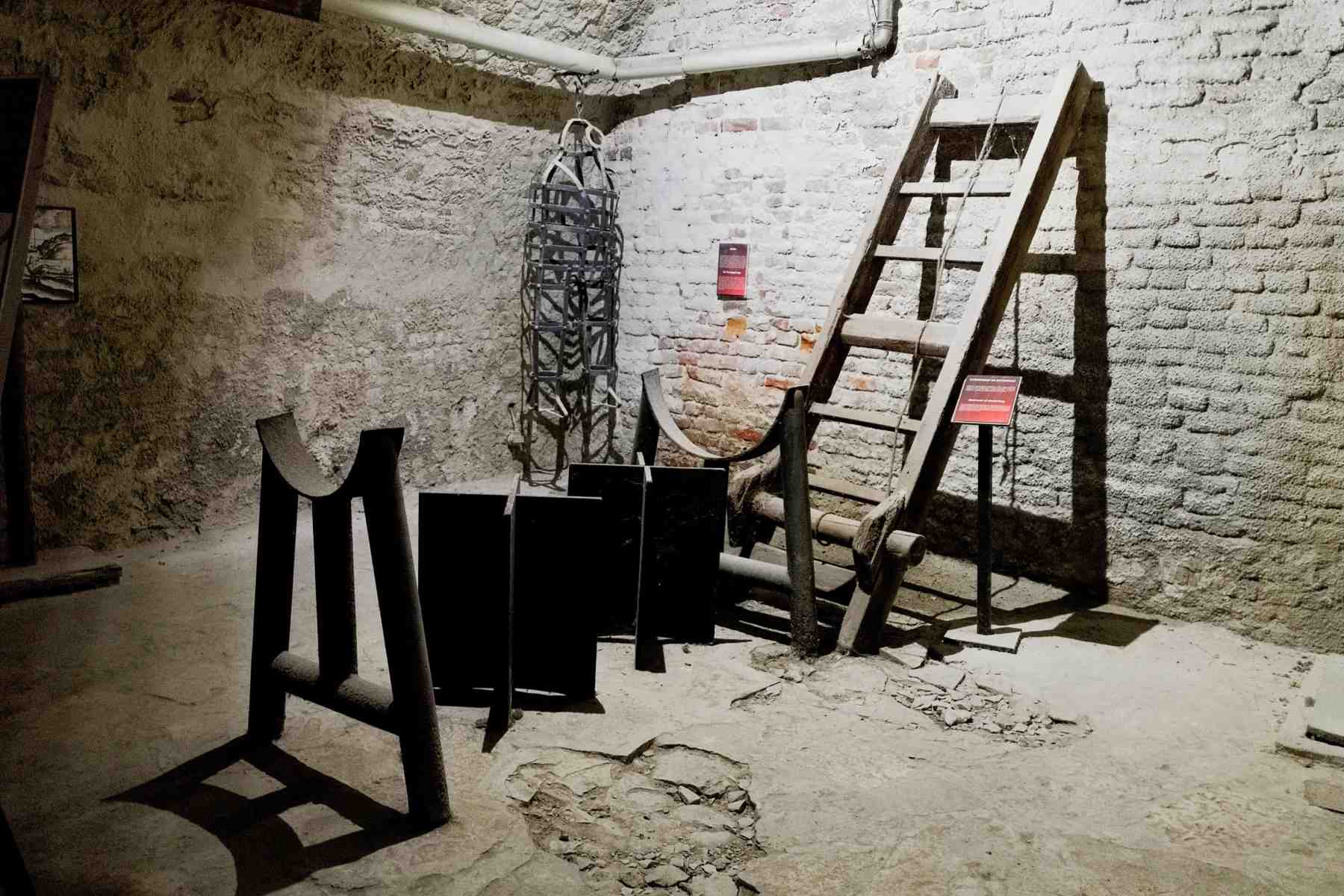
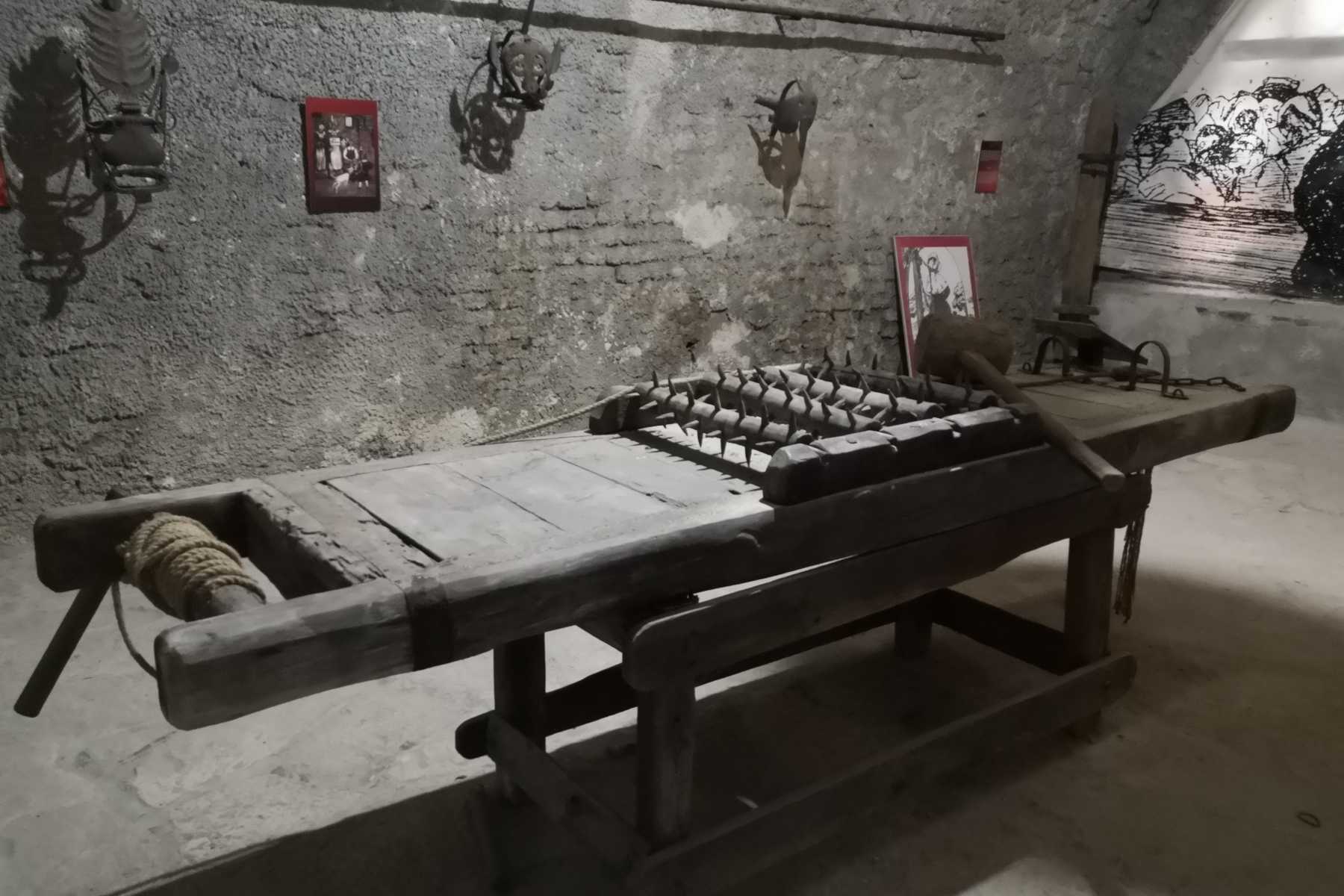
To the left of the main entrance, three spacious casemate rooms open up. In the first room, a blood-stained execution axe embedded in a wooden block dominates the space, while in the background stands the terrifying Rack – a device used for stretching limbs. On the right wall visitors can also see the Stretching Stairs, which resemble an ordinary staircase but were designed for torture.
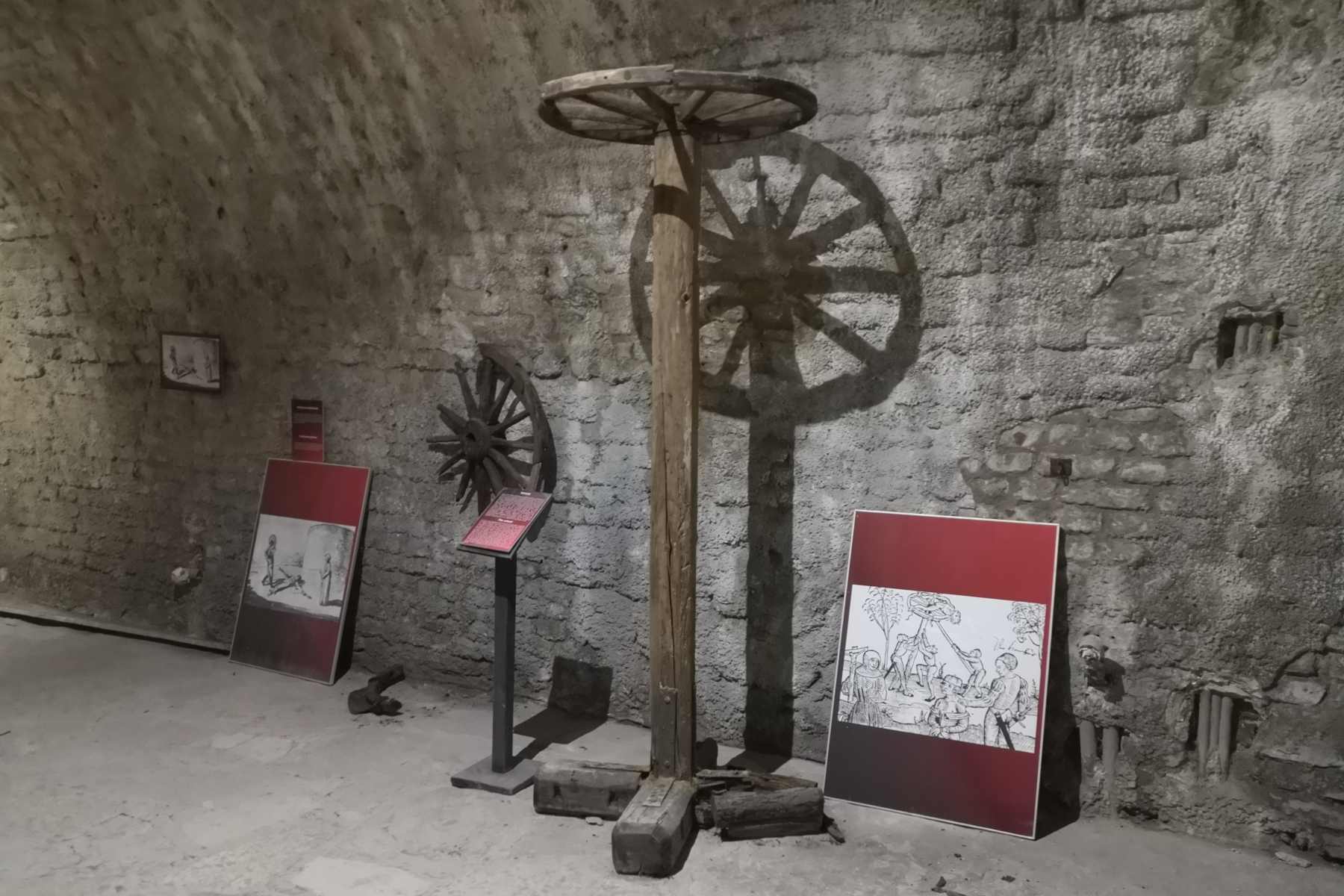
In the second room visitors encounter the Flesh Ripper, while the final casemate contains some of the exhibition’s most shocking devices: the Judas Cradle, the Torture Wheel, the Shame Violin and a series of stone balls believed to have been used for psychological or physical torture.
🪓 Judas Cradle
Its innocent name hides one of the cruelest torture devices ever created – a pyramidal metal spike onto which the victim was slowly lowered using the weight of their own body. The purpose: prolonged agony. Inside the Kalemegdan casemates, this device feels almost surreal, serving as a reminder of the darkest depths of human imagination when used for torture.
The entire exhibition space is dimly lit, accompanied by sound effects that intensify the feeling of discomfort and tension. If you are interested in medieval torture devices and want to see them up close, this exhibition offers an authentic, educational and disturbingly realistic insight into one of history’s darkest chapters.
🕸️ The Belgrade Fortress casemates – the hidden underground of Kalemegdan
Hidden beneath the massive walls of Belgrade Fortress, the casemates are dark and damp corridors that still seem to echo with the sounds of past centuries. Once used as storage rooms and prisons, these underground spaces are now home to some of the most unusual themed exhibitions in Belgrade. Stone walls that once witnessed the suffering of prisoners and soldiers are today illuminated by exhibition lights combining history, myth and eerie fascination.
👉 Stari Grad – where the Danube meets history 📜
🦇 Vampires, torture and a legend that still lives on
The casemates are also filled with mystery. During the Night of Museums event, exhibitions dedicated to Serbian vampires and dark folk legends were organized here. Moments when visitors walk through the silent underground passages surrounded by symbols of death and secrecy transform this location into a true horror labyrinth. Even today, trembling sighs and nervous laughter can occasionally be heard echoing through the corridors – because, as some say, the spirit of the casemates never sleeps.
🕯️ Did you know… Legend says that some of the casemate corridors once led to secret dungeons, while visitors claim they experienced an unexplained feeling of fear during the exhibitions – as if someone was watching them from the darkness. History? Suggestion? Or something else entirely…
⚖️ Why did torture devices exist?
At a time when political power and religion were closely connected, torture was considered part of the justice system. Confessions obtained under torture were treated as valid evidence, while punishment served not only to inflict physical pain, but also to humiliate and intimidate others. During the Middle Ages, especially throughout the Inquisition, such torture devices were systematically developed and refined.
Some of these devices were not used only for extracting confessions, but also for executions — often carried out outside city walls, partly due to superstition and partly to warn travelers that laws were strictly enforced. Although public punishments are often imagined as massive spectacles before large crowds, this happened less frequently than many people believe.
The exhibition does not glorify or judge these practices — it documents them. It offers an educational insight into a time when justice was painful, slow and public.
📜 Don’t miss: The exhibition is located at Kalemegdan, inside Belgrade Fortress — a perfect combination of nature and history in the heart of the city! Explore the walls of Belgrade Fortress, walk through Kalemegdan Park and discover another dimension of your Belgrade experience.
📸 What makes this exhibition unique?
The atmosphere. Unlike traditional museums, this exhibition places visitors inside an almost cinematic environment with dim lighting, sound effects and an authentic underground setting that intensifies the experience. Belgrade has many attractions, but this exhibition is certainly among the most unusual ones.
🦖 If you enjoyed this exhibition, perhaps you are ready for a prehistoric adventure? Visit the “Dino Park – Jura Adventure” exhibition and step into the world of dinosaurs through realistic models and educational content enjoyed by visitors of all ages.
🎠 Looking for even more fun? Explore our guide to entertainment and shopping in Belgrade — from cinemas, bowling alleys and playrooms to relaxing places for socializing and leisure.
📅 Also check out the latest events and festivals that bring energy and color to the city throughout the year.
⛓️ See the exact location of the “Medieval Torture Devices” exhibition
The torture devices exhibition in Belgrade is located inside the casemates of the Military Museum, deep within Belgrade Fortress at Kalemegdan. Check the map below to easily find the exact location and plan your visit to this eerie yet highly educational exhibition.