5/5 - (8 votes)



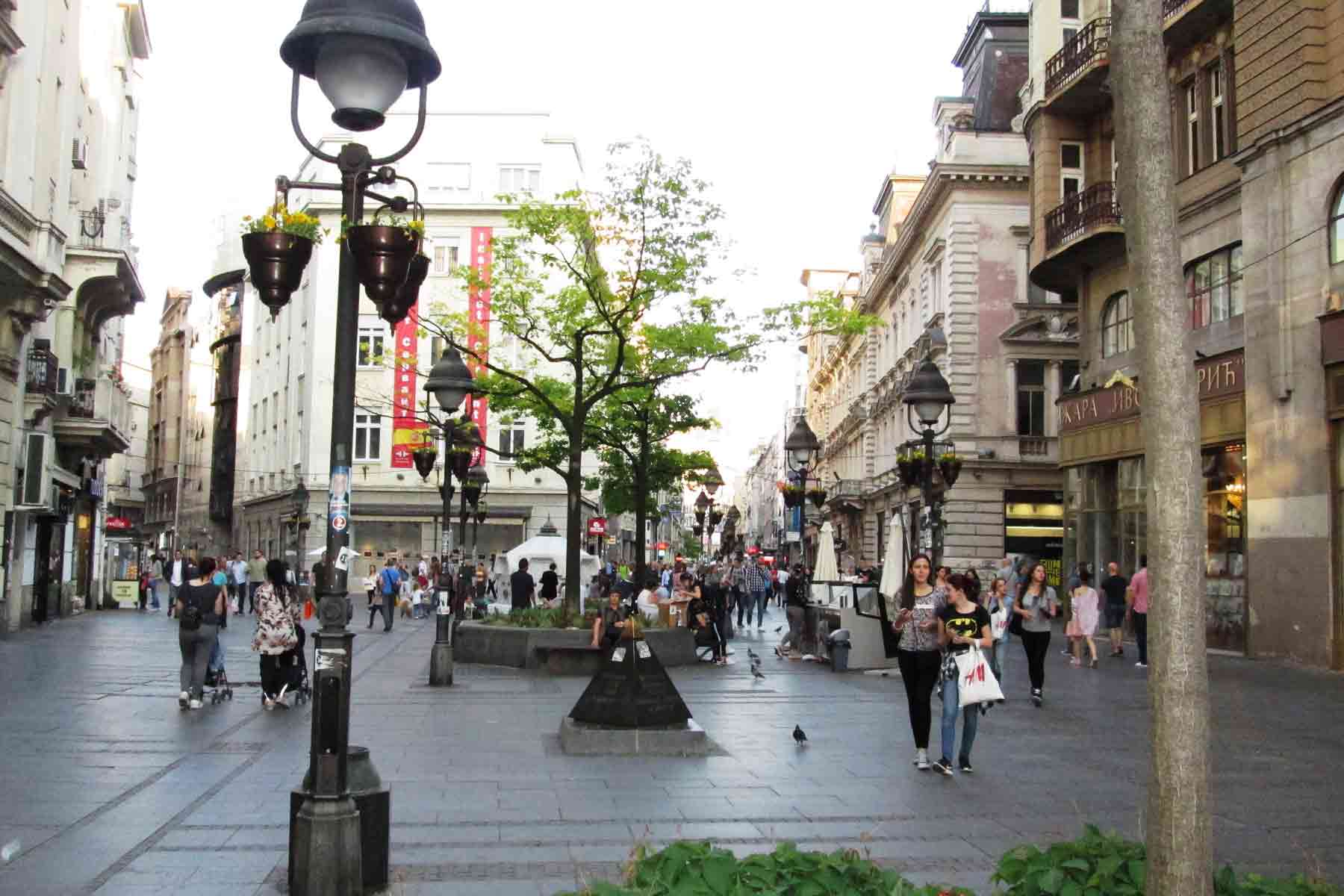
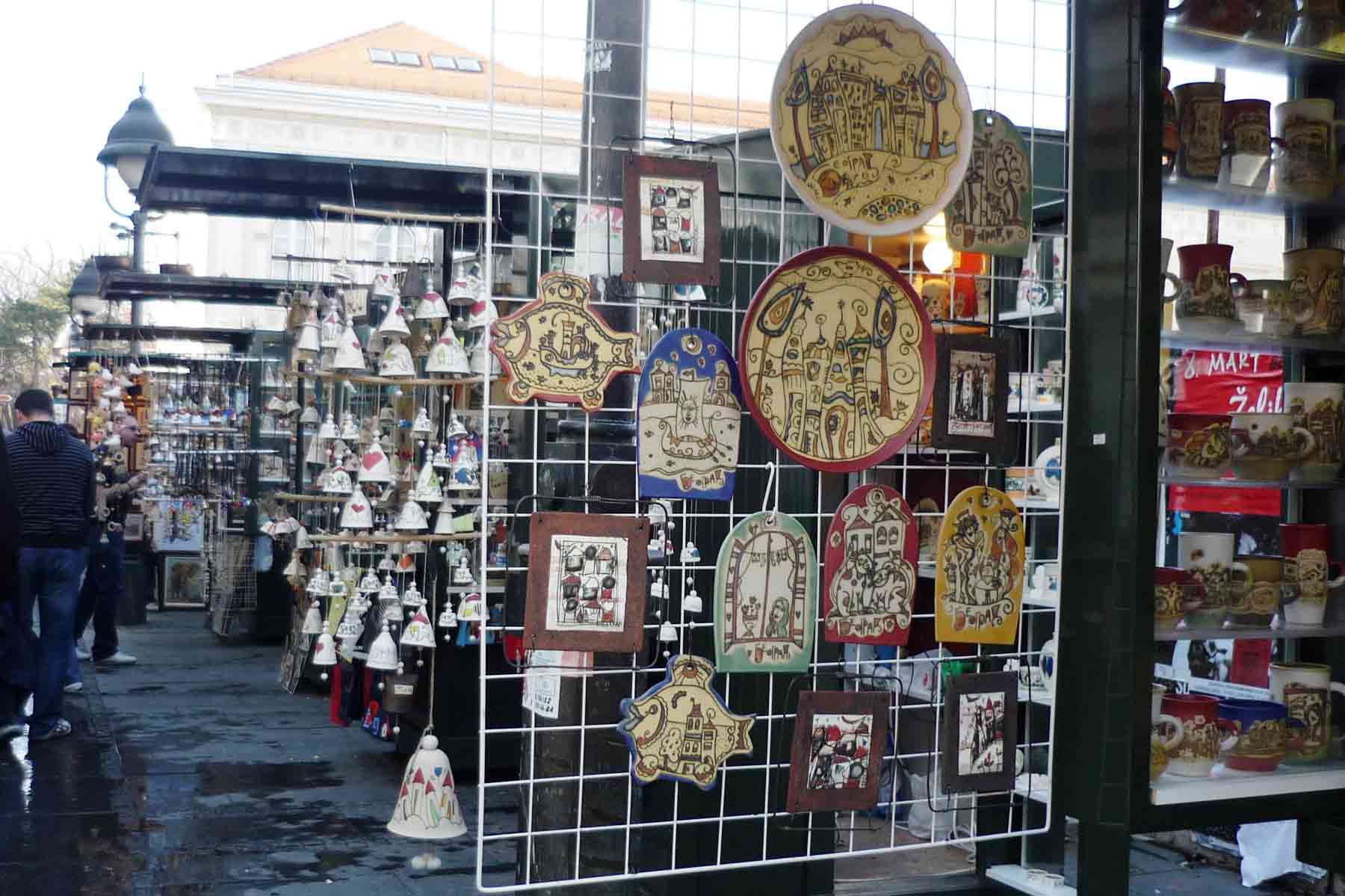
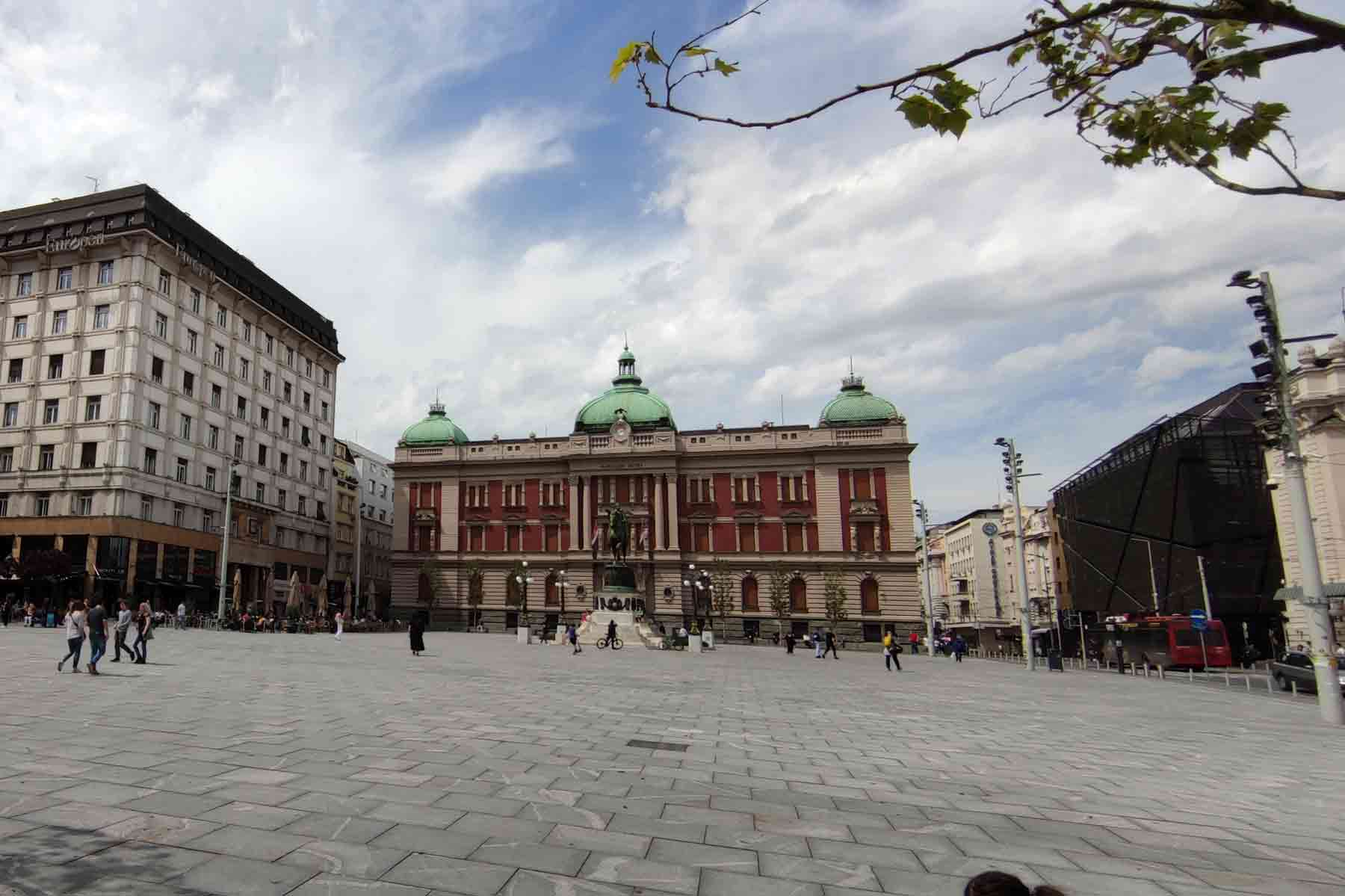
Arriving in the very center of the city, at Republic Square, you are also stepping onto the beginning of one of the oldest and most important streets in Belgrade. Knez Mihailova Street is a unique tourist attraction, a protected cultural-historical area, the main pedestrian zone and shopping street in Belgrade. It stretches for nearly one kilometer and connects the old city core with the modern city center, making it one of the top things to do in Belgrade.
It is known that a road passed along this route as far back as Roman times. During that period, a water supply system was built along this direction, creating conditions for the development of settlements in this part of Singidunum. Already during Ottoman rule, as many as five mosques were recorded in this area. There were numerous gardens, fountains were built in several places, and many passages and pathways existed here.
Knez Mihailova underwent further transformation after the city was taken over by the Austrians. They demolished many houses, courtyards and mosques, constructed new buildings, reconstructed the street and gave it a more modern appearance. At the same time, they divided it into an upper, western part used by the Serbs and a lower, eastern part occupied by the Austrians. After their departure, the division remained, but the Austrian section was then taken over by the Ottomans. The first major urban development project after the departure of the Ottomans took place between 1867 and 1880. Following the adoption of the regulatory plan by Professor Emilijan Josimović, a decision was made for Knez Mihailova to become the connection between the Belgrade Fortress and the urban town. In 1870, it officially received the name of Serbian Prince Mihailo Obrenović.
This transformation also marked the transition from a Balkan, spontaneous style to a more modern, European architectural approach. Although some buildings were constructed later, the preserved spatial and cultural-historical ensemble still reflects the authentic appearance of the street from that era.
This period marked the beginning of Belgrade’s and Serbia’s closer connection with Europe and its values. It also contributed to the formation of a new civic class that introduced a different lifestyle and urban culture. A merchant class began to emerge, opening shops and stores, and building family homes and representative buildings in line with the new direction of city development. Knez Mihailova Street gradually became the core area where influential political and public figures settled, and today it remains the most famous pedestrian street in Belgrade.
Knez Mihailova is considered by many to be the most beautiful street in Belgrade and has preserved its historic character as a traditional commercial street. With the further development of the city and its opening to the world, it has also become a well-known tourist and cultural center of Belgrade and one of the most visited attractions in the city.
The next important moment in the history of this street came in 1988. The street, once used by cars, was transformed into a true pedestrian zone as it remains today. Today, it is home to some of the world’s leading fashion brands, famous sports shops, banks, bookstores and souvenir shops. Important museums, galleries and cultural institutions are located here and in the surrounding streets. The Serbian Academy of Sciences and Arts, the Albania Palace, the Nikola Spasić Endowment building, residential houses (Knez Mihailova 46–50), as well as cultural centers of Germany, Spain and France, and the City Library are all housed in the most beautiful buildings along this street.
You will also find well-known restaurants, hotels, cafés and clubs here, making it one of the main places to experience Belgrade nightlife. Be sure to visit the historic “Ruski Car” restaurant, while nearby are “Inex” and the restaurant “Greek Queen”. Street performers are an essential part of the atmosphere, entertaining passersby with music, while artists offer their paintings. Jugglers, clowns and magicians often entertain children, who can be seen here throughout the day. While walking, you can always grab popcorn, ice cream, and in winter roasted chestnuts or corn that add to the lively street experience.
The street also has its curiosities, such as the pyramid in front of the SANU building. Officially, it represents a monument dedicated to science, containing data about the coordinates of Belgrade, including altitude, cardinal directions and gravitational acceleration. Unofficially, the pyramid is often associated with symbolism linked to Freemasonry and is considered a hidden signature in the very center of Belgrade.
In line with the city’s development strategy, Knez Mihailova and the surrounding streets continue to be renovated and expanded into pedestrian zones. Facades are being restored, and beautiful urban spaces enriched with greenery, trees, flowers and fountains are being created. Knez Mihailova and nearby streets feature elegant decorative details on building facades, unique balcony designs, and restored historic architecture. Stylish street lamps are placed throughout the area, giving it a distinctive look, even in winter. From early autumn, the entire street is decorated with festive lights, making it a magical place to walk through during the holiday season. Parking in Belgrade can also be found nearby, with public garages and numerous street parking options. The public transport network is well developed, making access to this area easy and convenient.